Fair MusE in Athens: shaping the debate on music, fairness, and platform power

In March 2025, Fair MusE placed digital music licensing and rights management under close scrutiny at two key events in Athens, highlighting critical challenges posed by platform dominance, fragmented regulations, and data-driven market practices.
In March 2025, the Fair MusE project significantly advanced the European debate on digital music licensing and rights management through two influential events in Athens. By engaging directly with policymakers, legal experts, industry representatives, and stakeholders in the creative industries, Fair MusE placed its comprehensive research at the centre of critical discussions about the interplay of digital platforms, regulation , and structurally unfair market structures .
Digital Licensing in Flux: Fair MusE at the Acropolis Museum
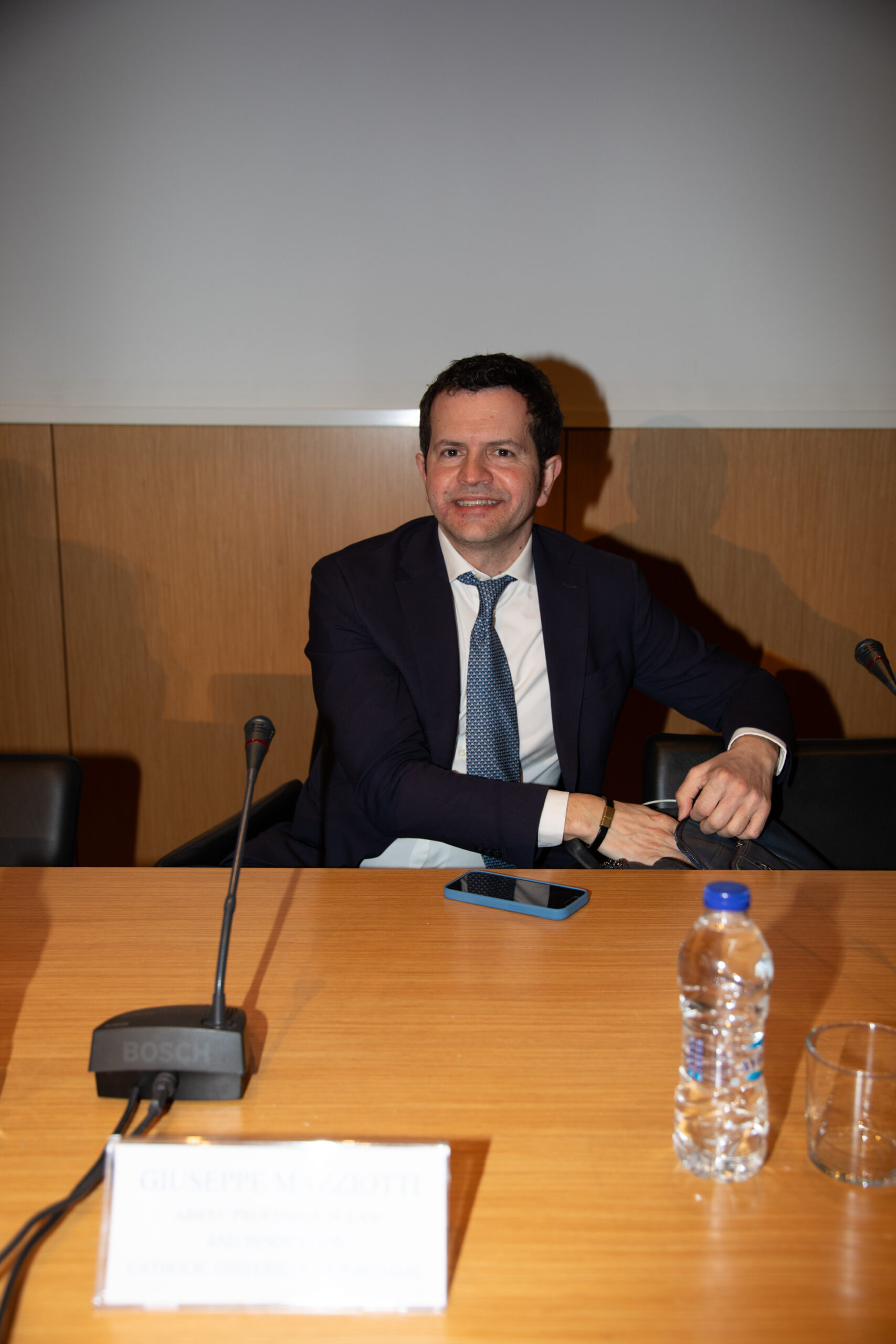
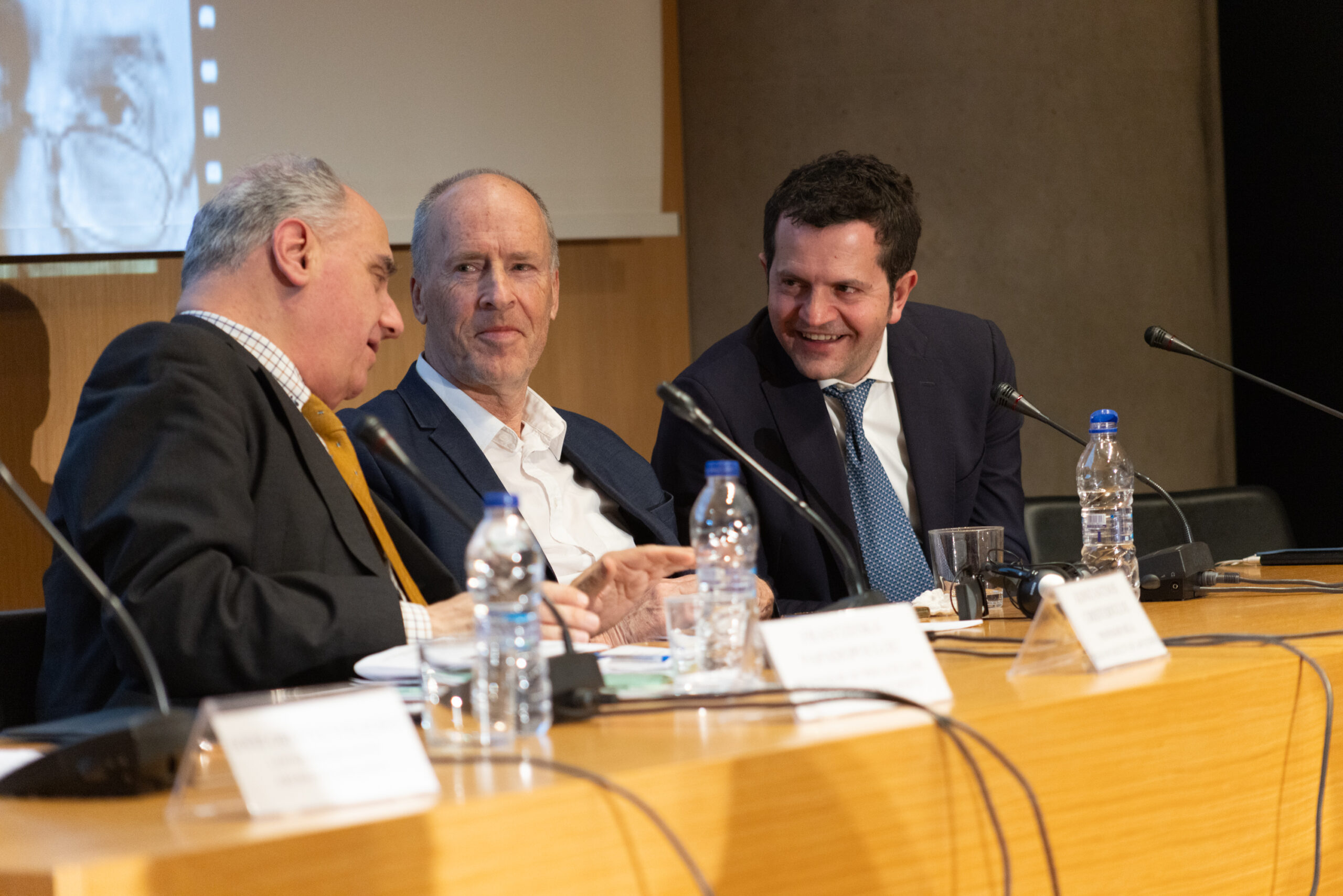
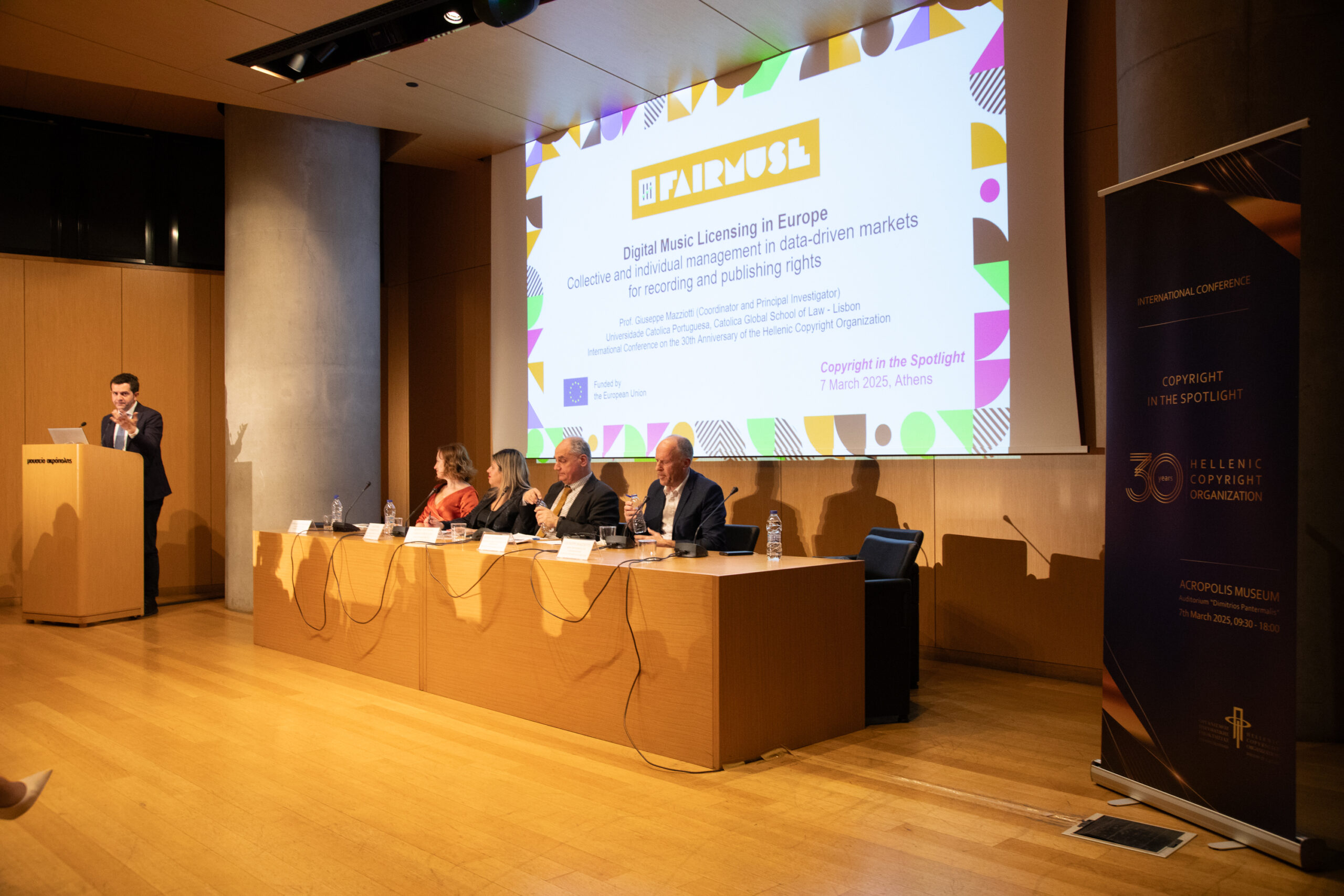
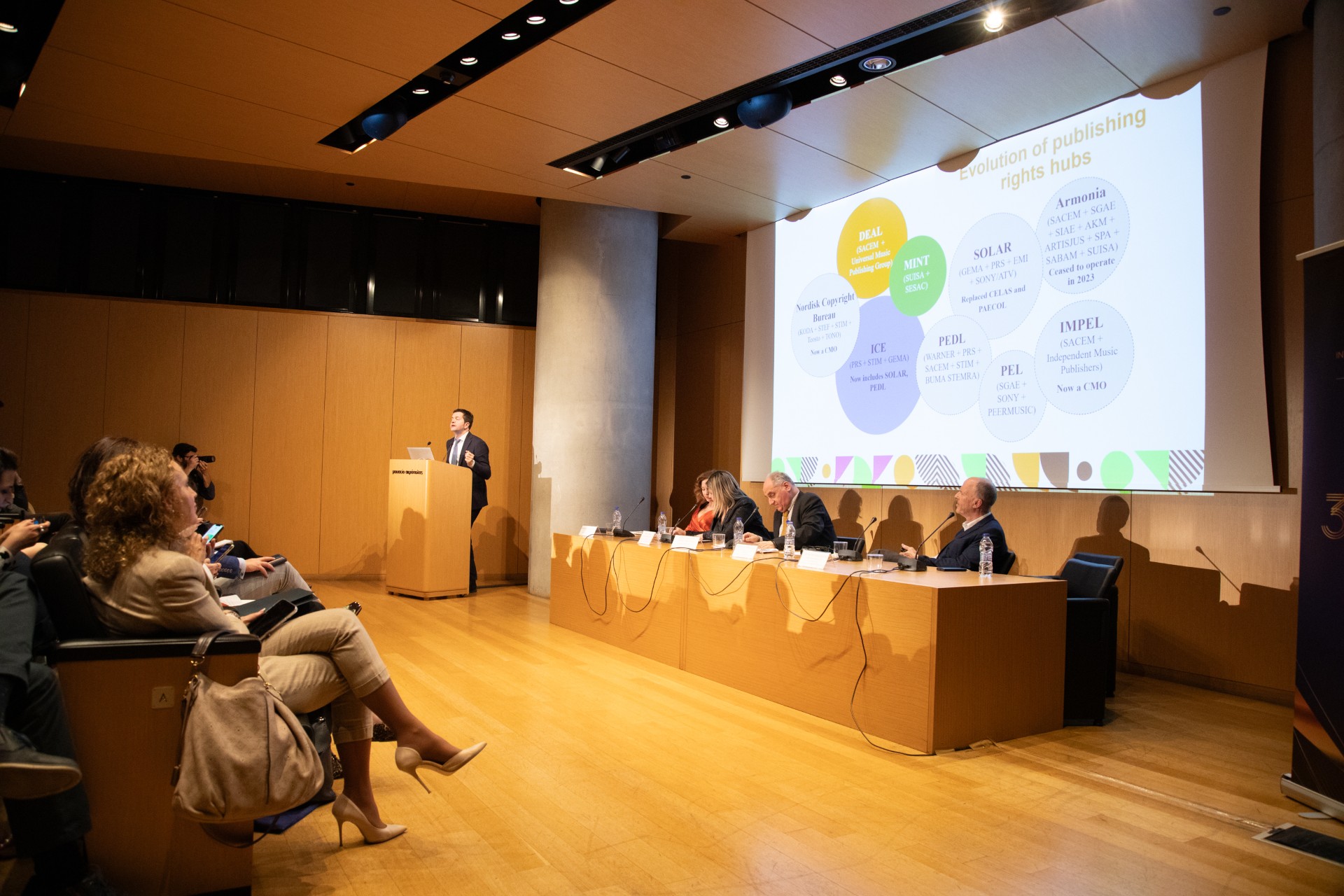
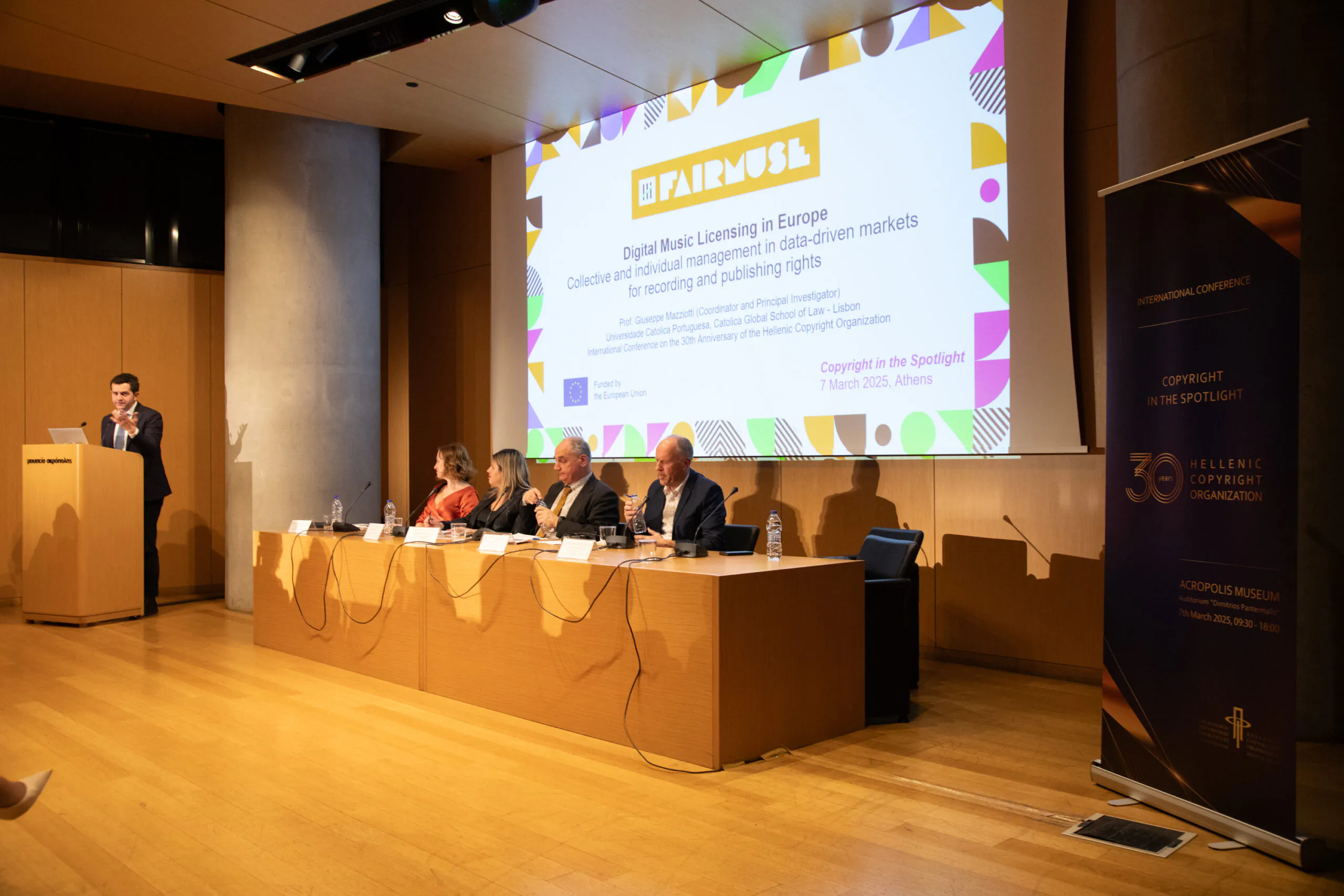
On 7 March, Prof. Giuseppe Mazziotti, Fair MusE’s coordinator and Abreu Professor in Law and Innovation at Católica Global School of Law in Lisbon, spoke at the international conference “Copyright in the Spotlight” at the Acropolis Museum, commemorating the 30th anniversary of the Hellenic Copyright Organisation. His presentation, titled “Digital Music Licensing in Europe: Collective and Individual Management in Data-Driven Markets,” critically analysed the impact of digital platforms, multi-territorial licensing and algorithmic distribution on the output of music rights management.
Mazziotti highlighted several emerging challenges: the fragmentation of rights management driven by independent management entities (IMEs) and mono-repertoire licensing hubs, which are controlled mostly by major record labels and major publishers; ; the uneven implementation of the transparency-enhancing “Passport” system under the 2014 Collective Rights Management (CRM) Directive; and the persistent deficiencies in data interoperability, particularly regarding the linkage between ISRC and ISWC codes. He emphasised that traditional collective management organisations (CMOs), once monopolistic entities, now face increased competition in a transnational and digital landscape dominated by opaque licensing models and significant data asymmetries between the recording and the music publishing sectors.
Among Fair MusE’s policy recommendations was the proposal for harmonised EU-wide oversight, extending transparency and accountability obligations equally to CMOs, IMEs and the mono-repertoire licensing hubs. Mazziotti urged that online music services, starting by social media platforms, be legally required to preserve and disclose accurate metadata and actively address unmatched tracks, a practice aimed at significantly reducing the occurrence of so-called “black box” royalties—revenues that cannot be matched with rights-holders due to insufficient metadata being able to identify the repertoires used and the related right-holders.
Bringing Fairness into Focus: Legal and Institutional Insights at ELIAMEP
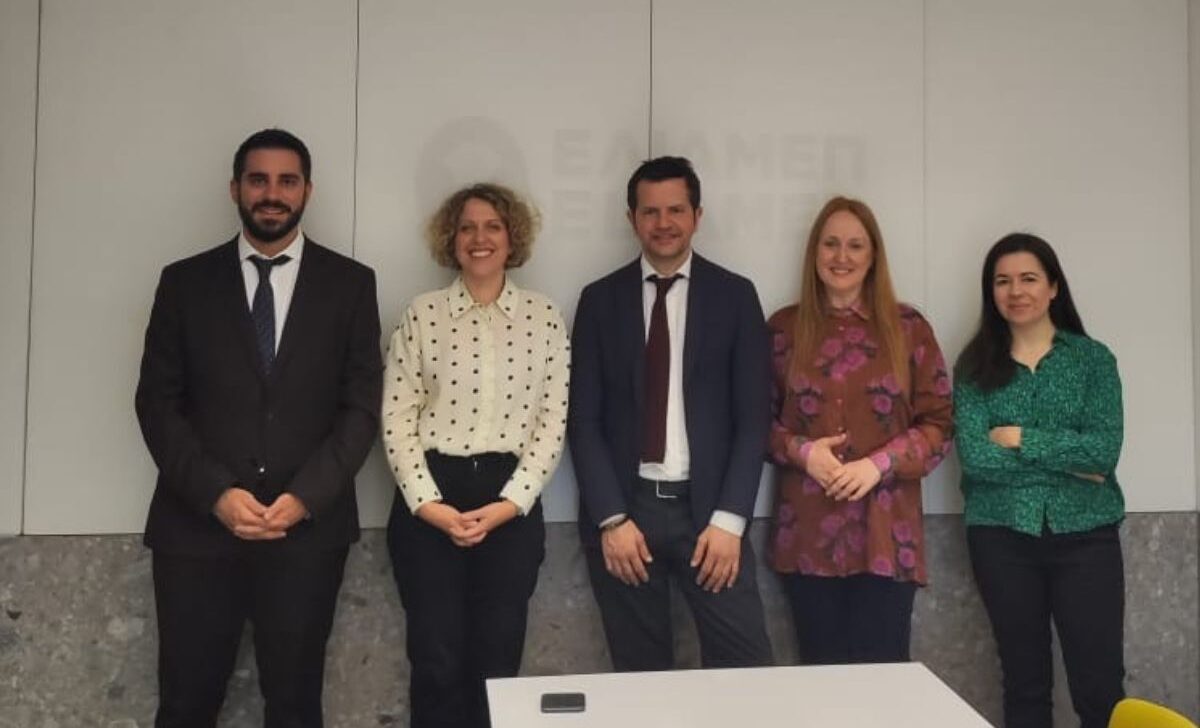
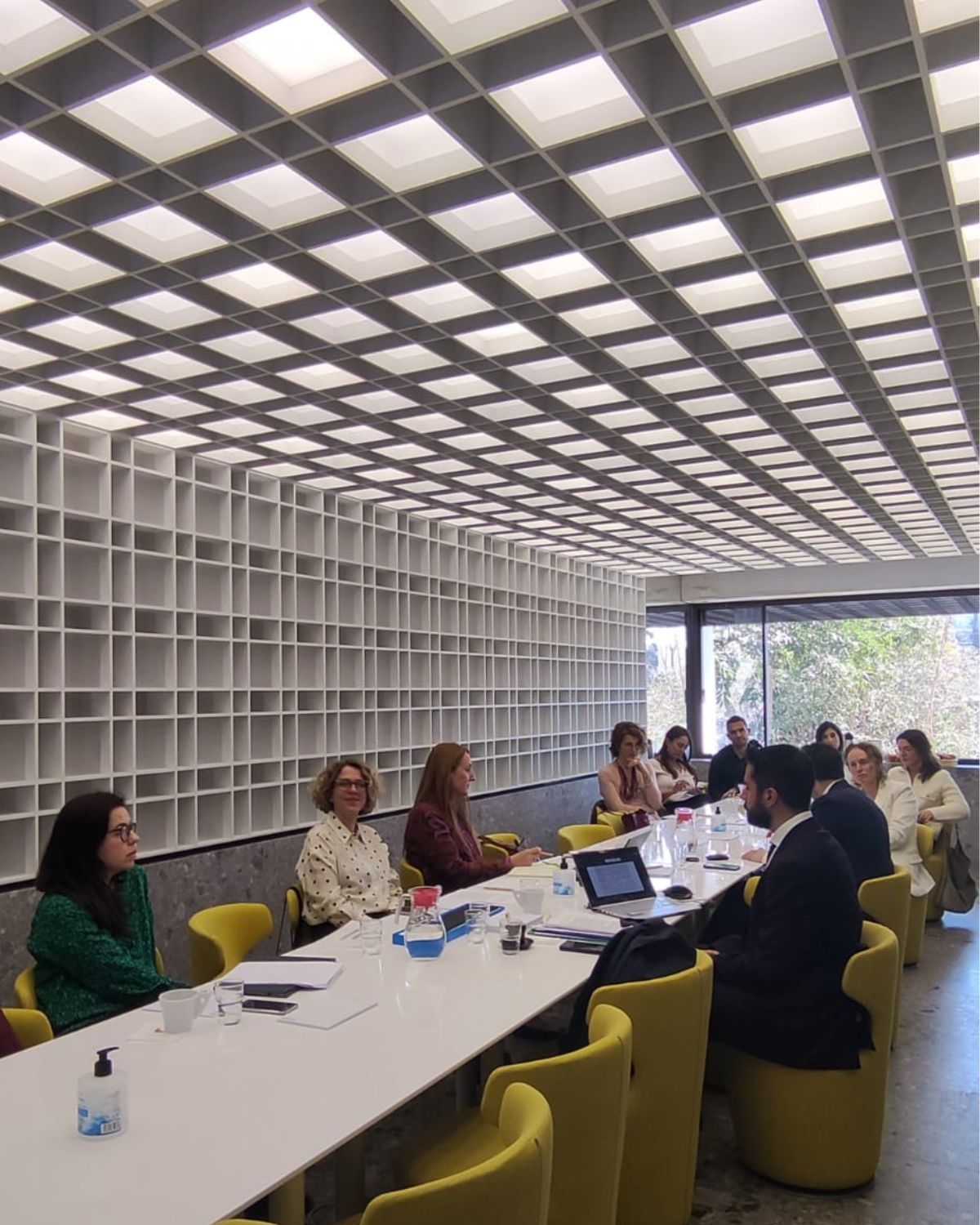
The second event took place on 10 March at the Hellenic Foundation for European and Foreign Policy (ELIAMEP). Entitled “The Role of EU Law and Policy in Shaping Fairness in the EU Music Ecosystem,” this roundtable provided a forum for detailed reflection on how EU legislation currently affects creators, intermediaries, and the broader audience.
Prof. Mazziotti’s intervention, “Music, Data, and Power: The Role of EU Law in Protecting Creators’ Rights,” focused specifically on key provisions of the EU’s Digital Single Market (DSM) Directive (2019/790): Article 17, concerning online content-sharing platform liability; Article 18, addressing fair remuneration for authors and performers; and Article 19, establishing transparency obligations.
Mazziotti pointed out substantial discrepancies in how Article 18 has been implemented across EU Member States, highlighting differences ranging from Greece’s fixed income-percentage approach to Italy’s arbitration-based model and Denmark and Estonia’s softer guidance. He noted that despite the directive’s ambition, contractual lump-sum buyouts persist widely, with only a few Member States implementing non-waivable remuneration rights effectively.
On transparency obligations, Mazziotti outlined a fragmented regulatory landscape. Despite creators’ entitlement to annual reporting under Article 19, existing practices remain dominated by proprietary and siloed metadata systems, particularly within the music publishing industry, thus obstructing genuine transparency and fair compensation.
Finally, the discussion addressed Article 17’s practical impacts, observing that social media platforms, now aligning more closely with digital service providers (DSPs), are indeed negotiating more seriously due to the directive’s “best efforts” clause. Nevertheless, smaller and independent repertoires frequently remain disadvantaged in these negotiations due to limited bargaining power, reinforcing the position of dominant players.
These two events in Athens mark a pivotal moment in Fair MusE’s public engagement strategy. They show how the project’s research — combining legal analysis, empirical inquiry, and cultural insight — can inform and enrich public discourse on the future of music and creativity in Europe. By engaging directly with national authorities, think tanks, and stakeholders, Fair MusE continues to promote a vision of fairness, transparency, and sustainability that speaks to the heart of the European cultural project.