
Fair MusE Final Conference Puts Fairness in Digital Music Services at the Centre of European Policy Debate

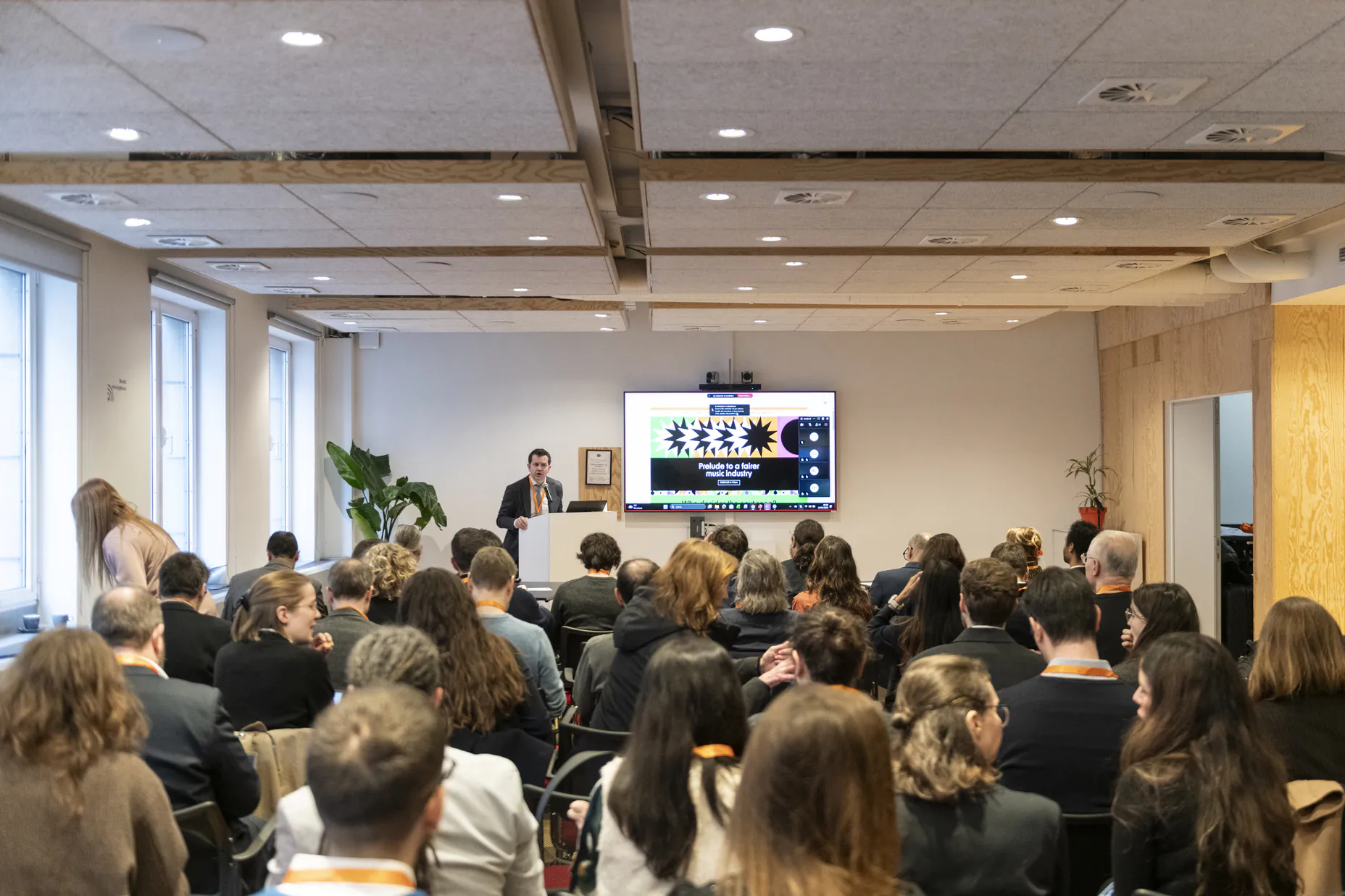
On 18 February 2026, more than 130 stakeholders gathered in Brussels for the final conference of the Fair MusE project, marking the culmination of three years of research into one of the most pressing questions facing Europe’s cultural and digital policy: how to ensure fairness for music creators in a platform-driven ecosystem.
On 18 February 2026, the Fair MusE project concluded its three-year research journey with its Final Conference in Brussels, titled “Reclaiming fairness in Europe’s digital music ecosystem: creators, platforms, and policy solutions.”
Hosted at Mundo Madou, the event brought together more than 130 participants, one hundred of whom attended the event on-site. Each panel featured contributions from Fair MusE’s research leaders and representatives of the European Commission, academia, industry organisations and independent experts acting as discussants.
The conference marked the final public milestone of the project and provided a high-level forum to discuss the scope of creators’ rights harmonised at the EU level, copyright data infrastructures and platform dynamics. The event was an exceptional opportunity to publicly unveil how digital music services influence creators’ remuneration, their artistic production and distribution strategies as well as music exposure and discoverability due to algorithms and playlists that dominate today’s access to recorded music.
A meeting point for research, policy and the music sector
The event gathered a very diverse audience of researchers, policymakers, music creators’ representatives, composers’ and performers’ collecting societies, digital policy experts and industry stakeholders, doing justice to the multi-disciplinary efforts and the articulated research results produced by the Fair MusE project.
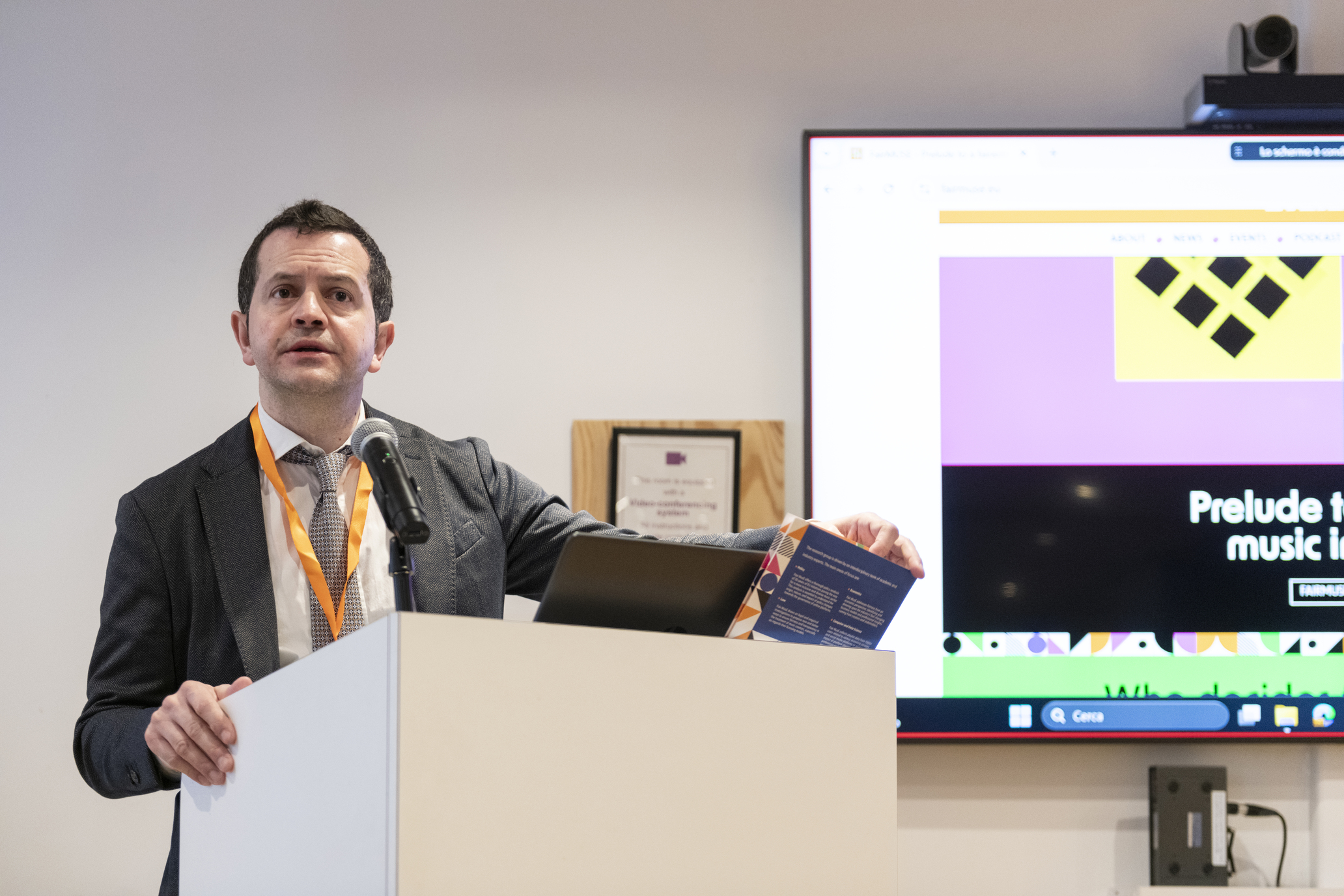
Opening the conference, Giuseppe Mazziotti, Principal Investigator and Coordinator of the Fair MusE project, introduced the project’s main objectives across three years of work and deliverables, and its contribution to ongoing European debates on the digital transformation of the recorded music sector.
He was joined by Willy Kokolo, Cultural Policy Officer at the European Commission (DG EAC), who highlighted the importance of evidence-based research and dialogue in informing future cultural and digital policy initiatives at EU level.
Copyright infrastructures at the centre of the fairness debate
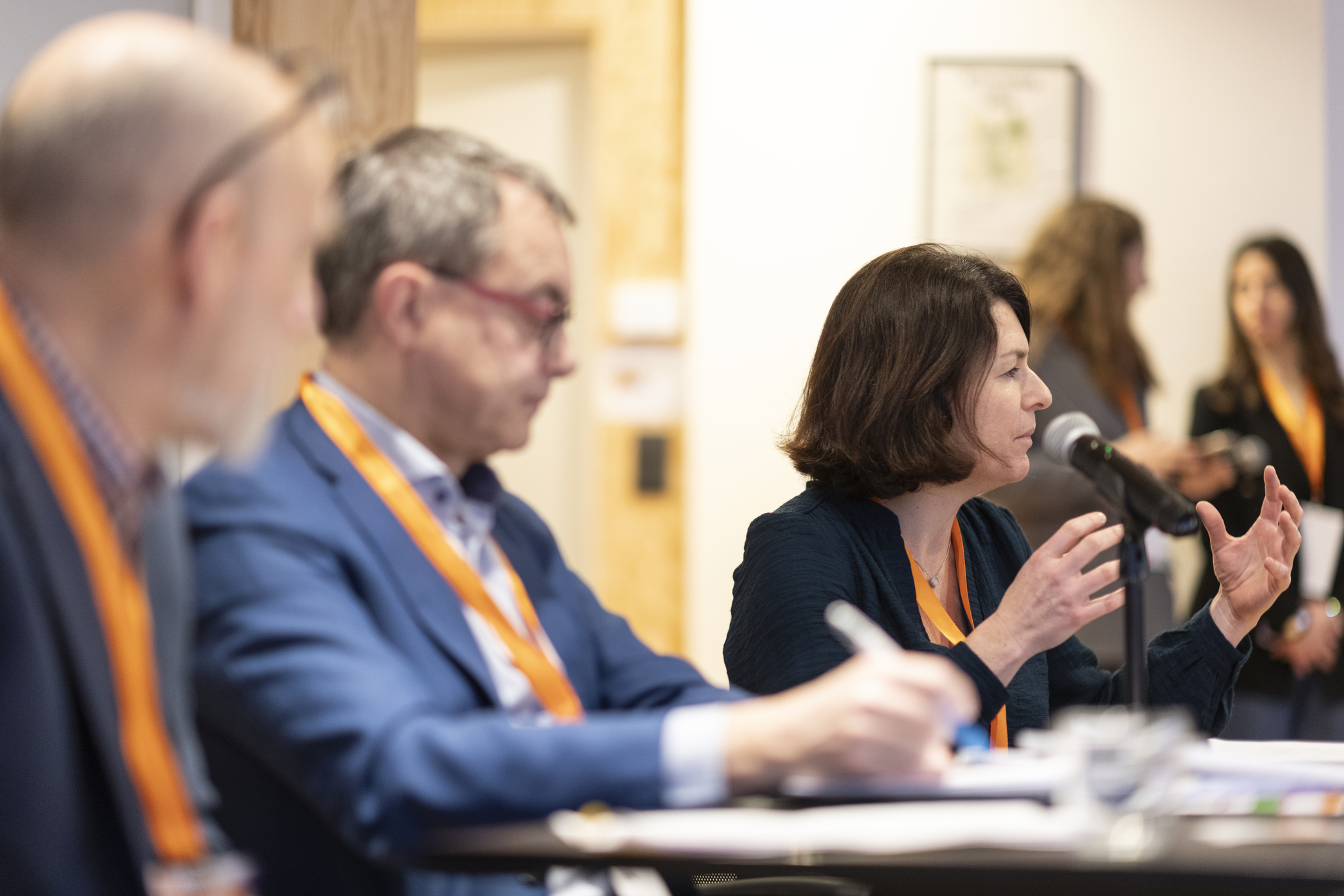
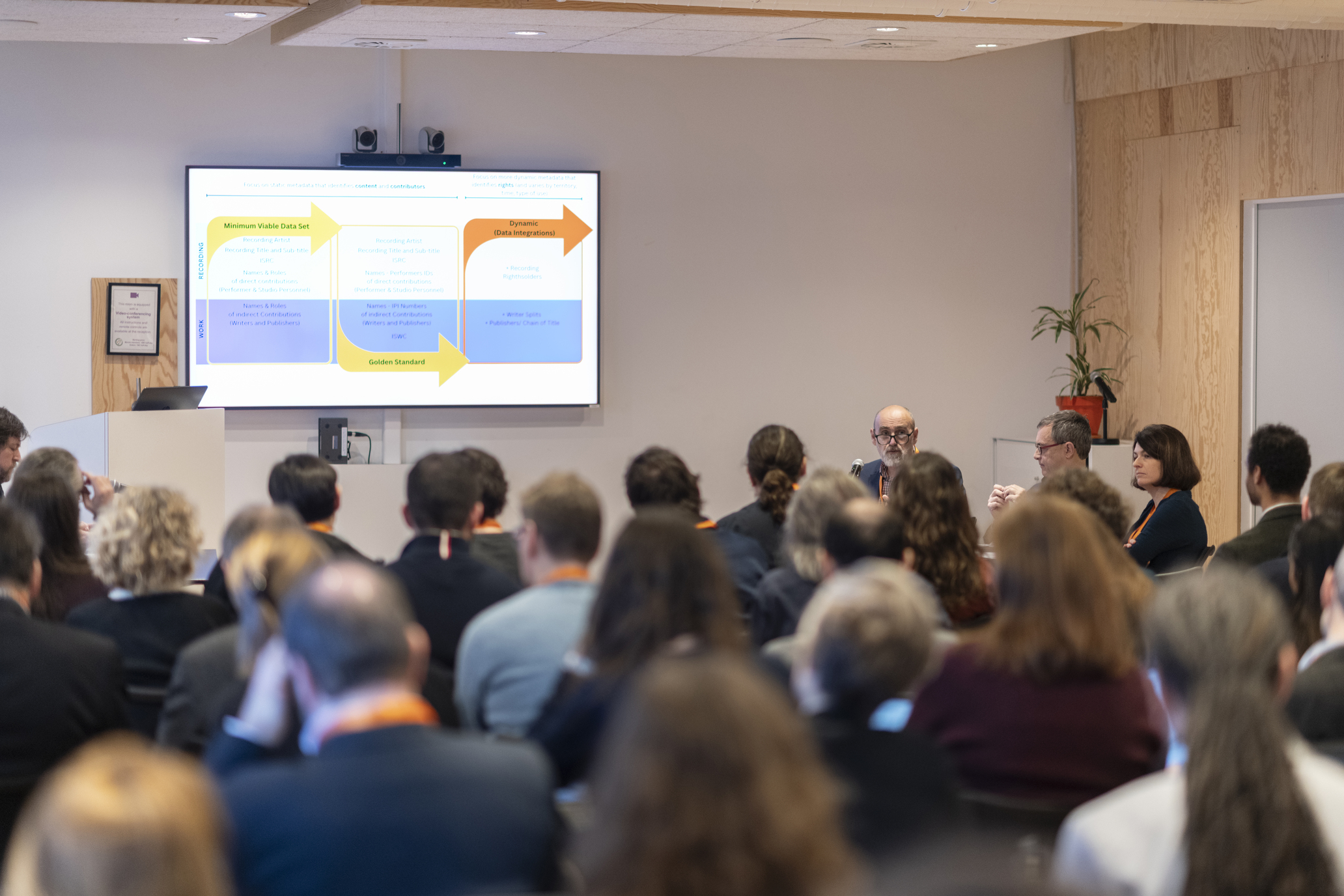
The first session opened the discussion on the role of the European Union in harmonising music creators’ rights and setting out a high level of legal protection for human-created works. The beginning of the session emphasised the need to better integrate and coordinate existing copyright data infrastructures that identify musical compositions, performances and sound recordings, whenever they are exploited online. The session highlighted that without an effective interconnection of rights data, music creators cannot be remunerated fairly because they cannot easily enforce their (multiple) rights to transparency vis-a-vis streaming services and, even more so, social media platforms. Following a presentation of the Music Copyright Infrastructure developed within the Fair MusE project, the panel brought together legal and industry experts including Scott Farrant (Musaxia), Åsa Enström (Ex-Head of Legal at Polaris Hub AB), Emmanuelle Du Chalard (European Commission, DG CONNECT, Head of Copyright Unit) and Ioan Kaes (AEPO-ARTIS, Secretary General), moderated by Prof. Alain Strowel (UC Louvain).
Speakers broadly discussed how copyright law frameworks, at both European and national level, music licensing models and collective management systems can ensure that digital music services pay a fair share of their profits to the music sector, despite its extreme fragmentation -in terms of rights and representation- across EU member states. The discussion highlighted ongoing challenges related to metadata governance, and the (lack of) transparency of revenue flows in streaming and social media environments. The panelists welcomed and praised Fair MusE’s proposal to urgently identify a core data set to be shared by the music industry as a whole with all digital services at the time of content uploads. Moreover, industry experts supported Fair MusE’s idea of involving a EU body such as the European Commission or the EUIPO as a supervisor of a Music Metadata Infrastructure’s Working Group.
Data transparency and the role of algorithms in music streaming
The second session focused on data transparency and the growing role of algorithms in shaping music visibility and consumption online.
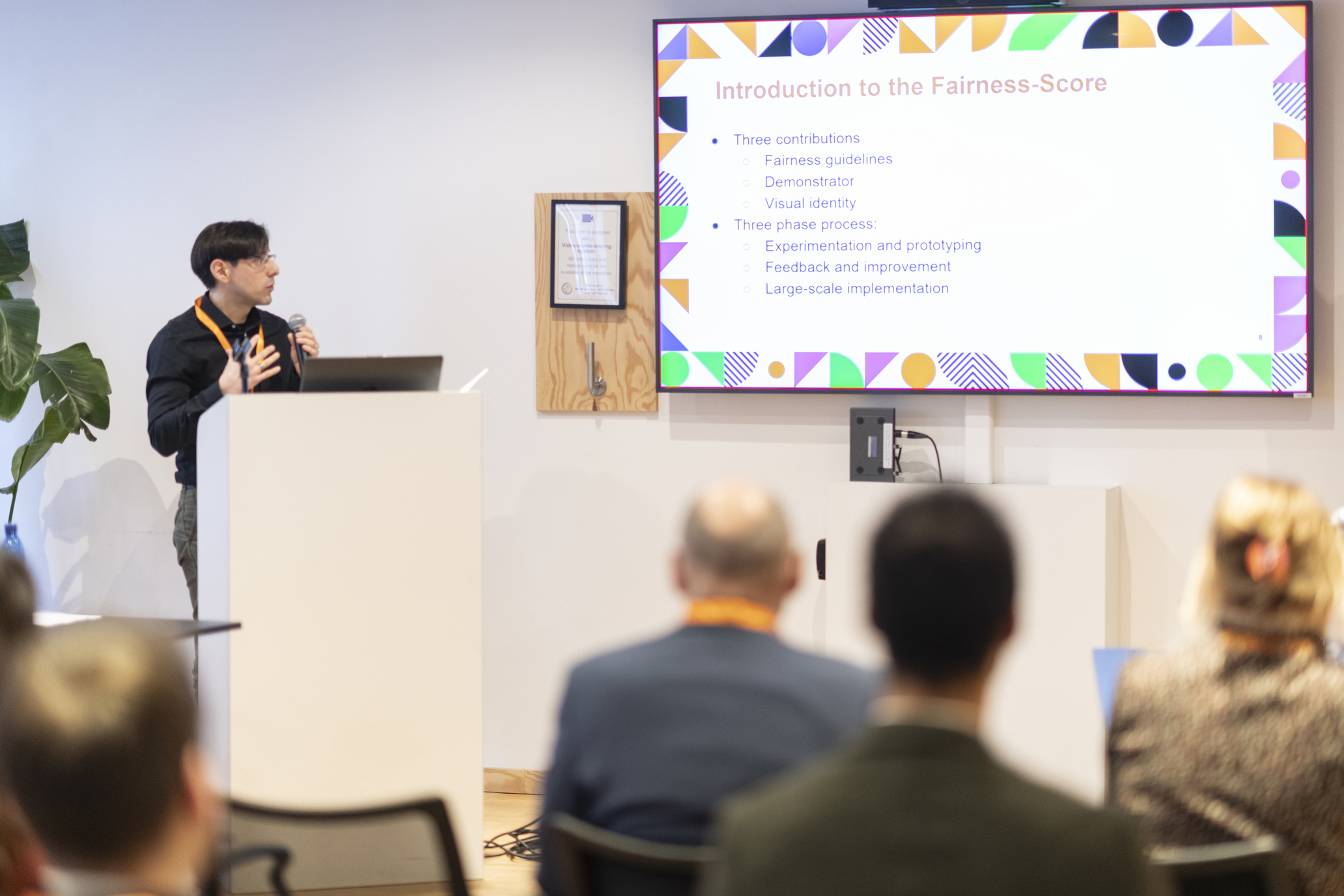
Research leaders Jannick Kirk Sørensen (Aalborg University) and Daniel Bedoya (University of Lille) presented two tools developed within the project — the Music Data Dashboard and the Fairness Score — designed to support data-driven analysis of streaming markets and fairness dynamics in platform-driven environments.
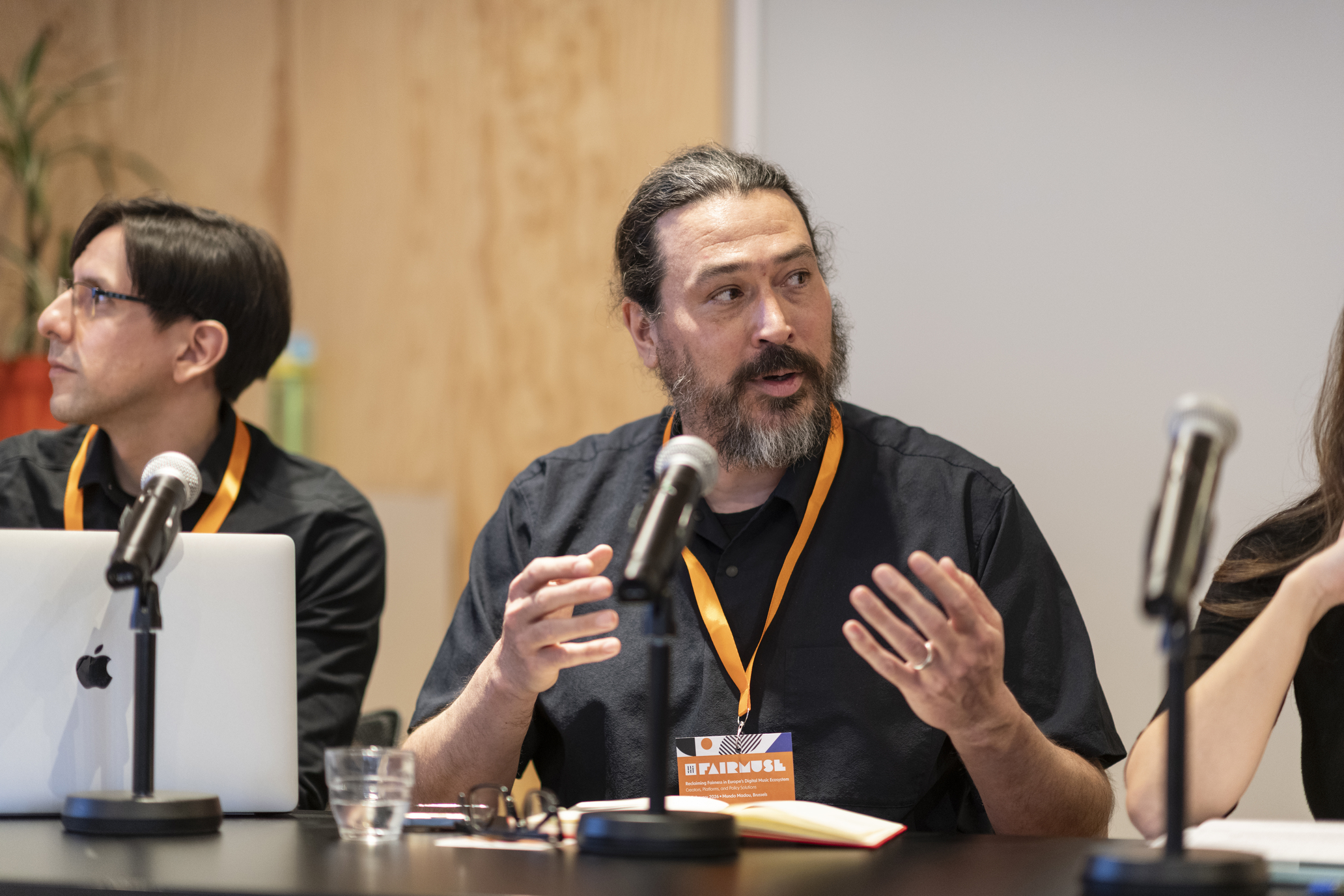
The discussion that followed, with Marta Cantero Gamito (University of Tartu), Lorenzo Porcaro (Sapienza University of Rome) and Kristian Mortensen (DataMosaik), examined how limited access to reliable data remains a key challenge for understanding music exposure patterns, market concentration and the broader impact of algorithmic systems on music circulation. The session was moderated by Adelaida Afilipoaie (Vrije Universiteit Brussel).
Policy pathways for a fairer music ecosystem
The conference concluded with a session dedicated to the policy implications of the project’s findings and the future of European music regulation in the platform era.
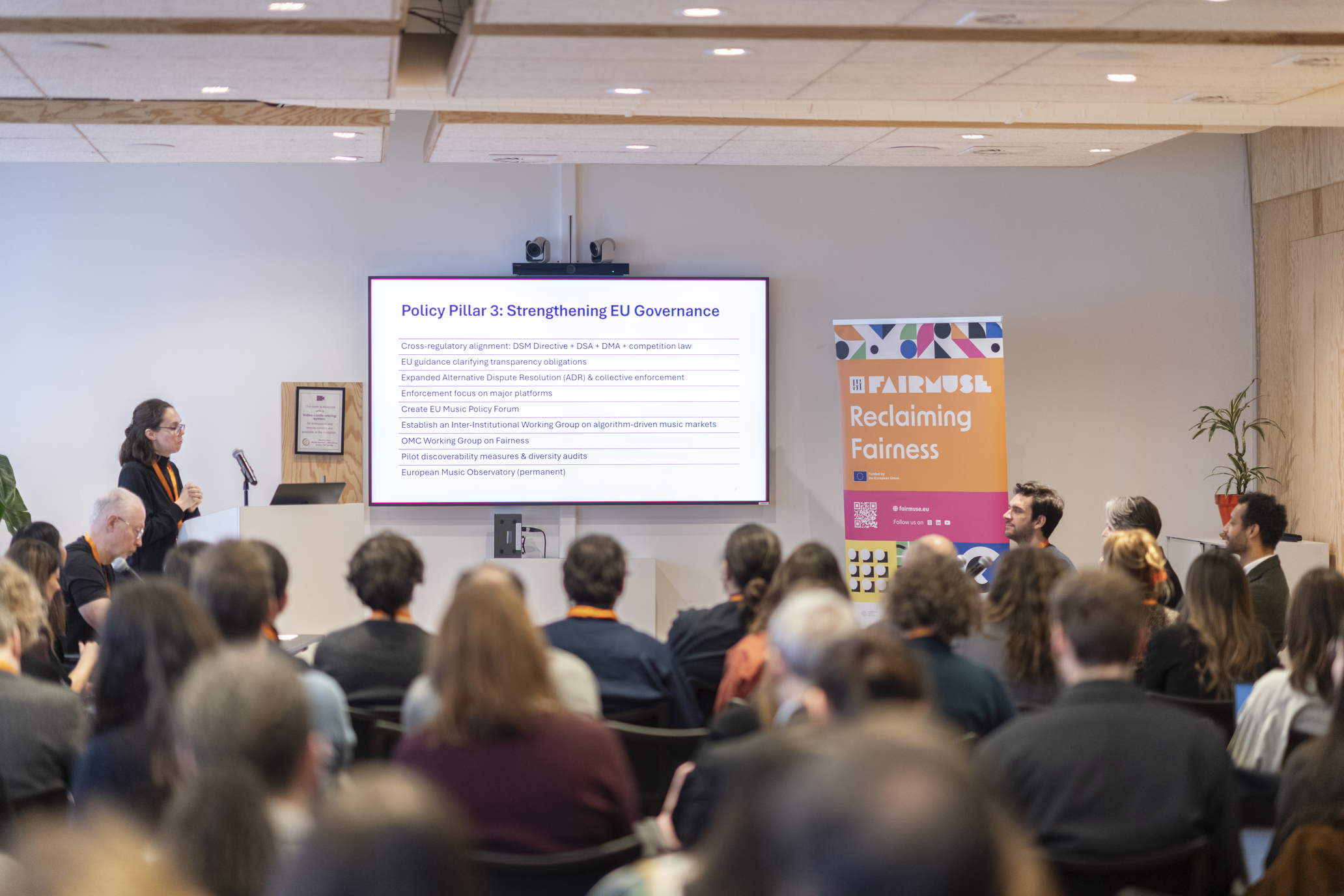
Giuseppe Mazziotti and Maria-Jose Schmidt-Kessen (Central European University) presented the Fair MusE’s White Paper, which consolidates the project’s interdisciplinary research and articulates policy recommendations to make creators’ rights more effective across different jurisdictions. The speakers emphasised the need to better coordinate EU policies to foster a much stronger alignment of copyright enforcement, competition law and platform regulation rules. The speakers raised the attention of the audience on policy recommendations that would help enhance platforms’ transparency and accessibility, improving the quality of music data governance and eventually addressing structural imbalances induced by the potentially abusive dominance of very large online platforms disregarding (or grossly diluting) their transparency and usage reporting obligations under EU law.
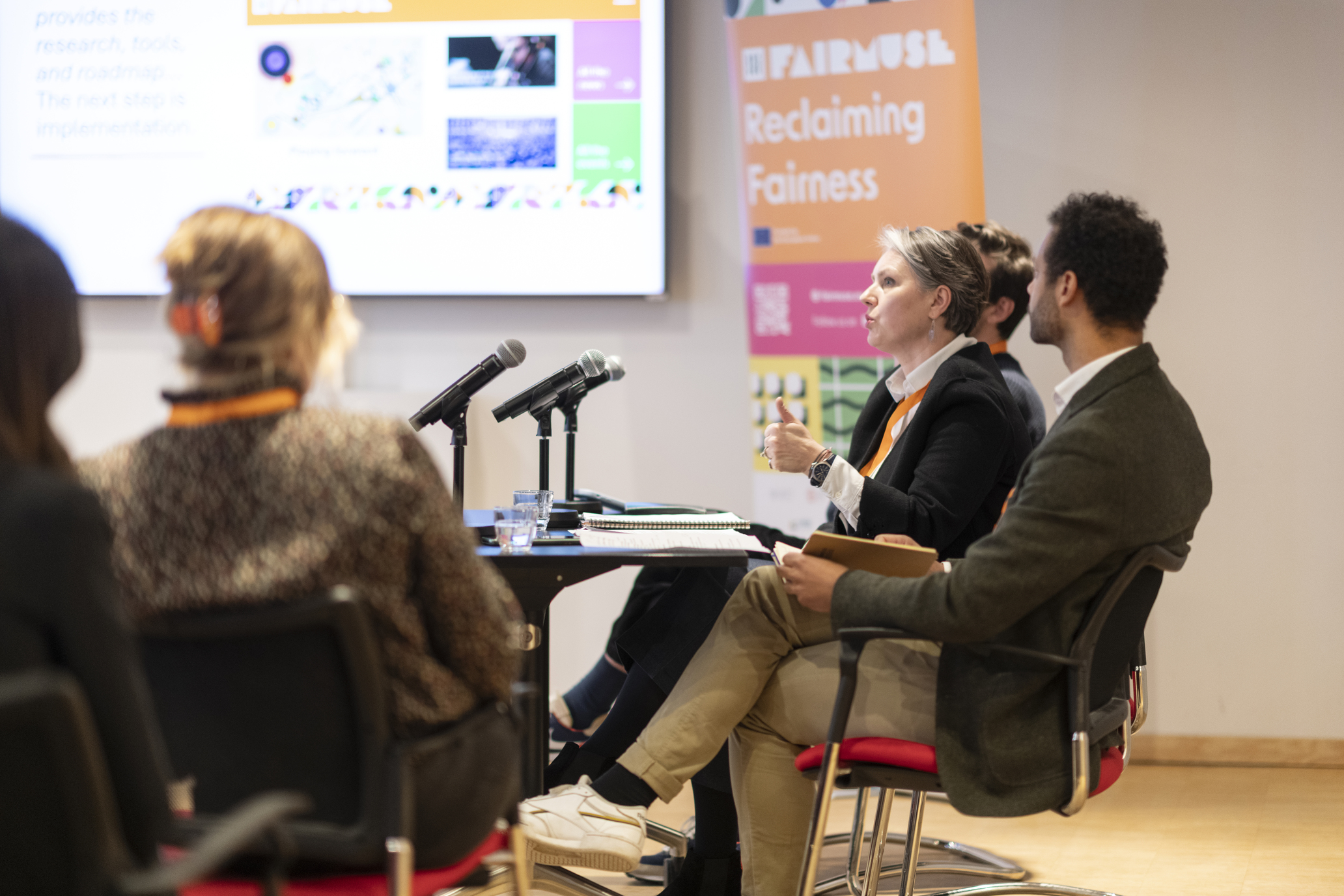
The presentation was followed by a high-level roundtable discussion with representatives from major European and international organisations, including Willy Kokolo (European Commission, DG EAC), Benoit Machuel (International Federation of Musicians, Secretary General), Matthieu Philibert ( IMPALA, Public Affairs Director), Natasha Mangal (CISAC, Legal and Policy Advisor) and Kristina Janušauskaitė (IFPI European Office, Executive Director).
The discussion reflected on how Fair MusE’s findings can inform future policy debates in Europe. Panelists discussed Fair Muse’s recommendations by placing special emphasis on platform accountability and the need to foster greater accessibility of music data through a more effective and coordinated application of EU copyright law rules and Digital Services Act (DSA) provisions.
Continuing the impact of Fair MusE
While the conference marked the formal conclusion of the project’s public activities, the research outputs and tools developed within Fair MusE are now publicly available. The project’s research work, after its technical review by the European Commission, will soon give rise to multiple scientific publications and other dissemination and exploitation activities that will maximise the impact of the findings the consortium members shared in Brussels publicly.
These results include a series of research booklets presenting key findings -the Music Copyright Infrastructure, the Music Data Dashboard and the Fairness Score– along with a Policy Brief outlining recommendations for European policymakers.
In addition, the project has recently released a Digital Rights Awareness e-learning course, an eight-episode video series accompanied by downloadable scripts and slides. Available both on the Fair MusE website and its YouTube channel, the series is designed for creators, music professionals, researchers, students and anyone interested in understanding the dynamics of the digital music market.
Together, these outputs aim to ensure a broad dissemination of the evidence, efforts, tools and policy insights developed by Fair MusE, with a view to supporting further research, public debates and tangible improvements for music creators facing the challenges of algorithm- and AI-dominated digital media.