Fair MusE Hosts Policy Workshop on Shaping Fairness in the EU Music Ecosystem

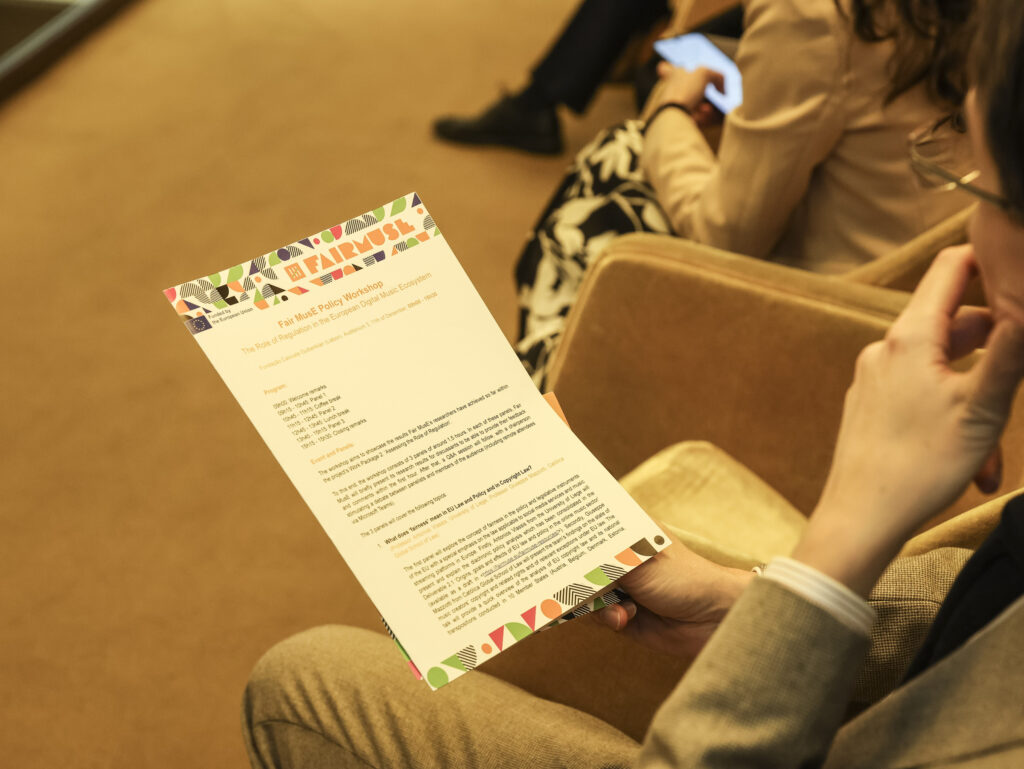
How can fairness be achieved in the rapidly changing digital music landscape? This question took center stage on 11 December 2024, as the Fair MusE project hosted a pivotal policy workshop at Fundação Calouste Gulbenkian in Lisbon. Gathering leading voices from research, policy, and the music industry, the workshop delved into the challenges and opportunities posed by EU regulations, focusing on the rights and remuneration of music creators.
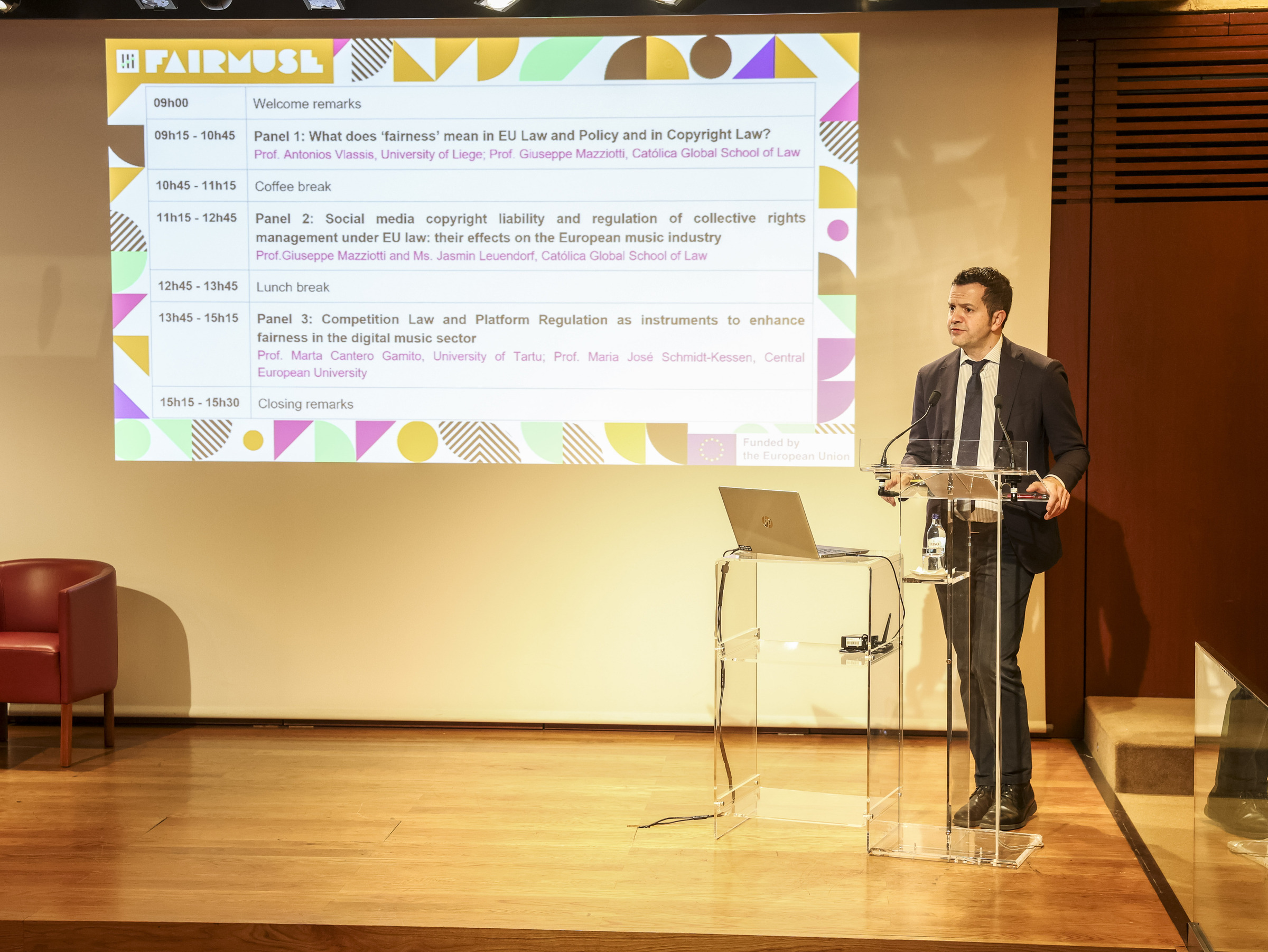
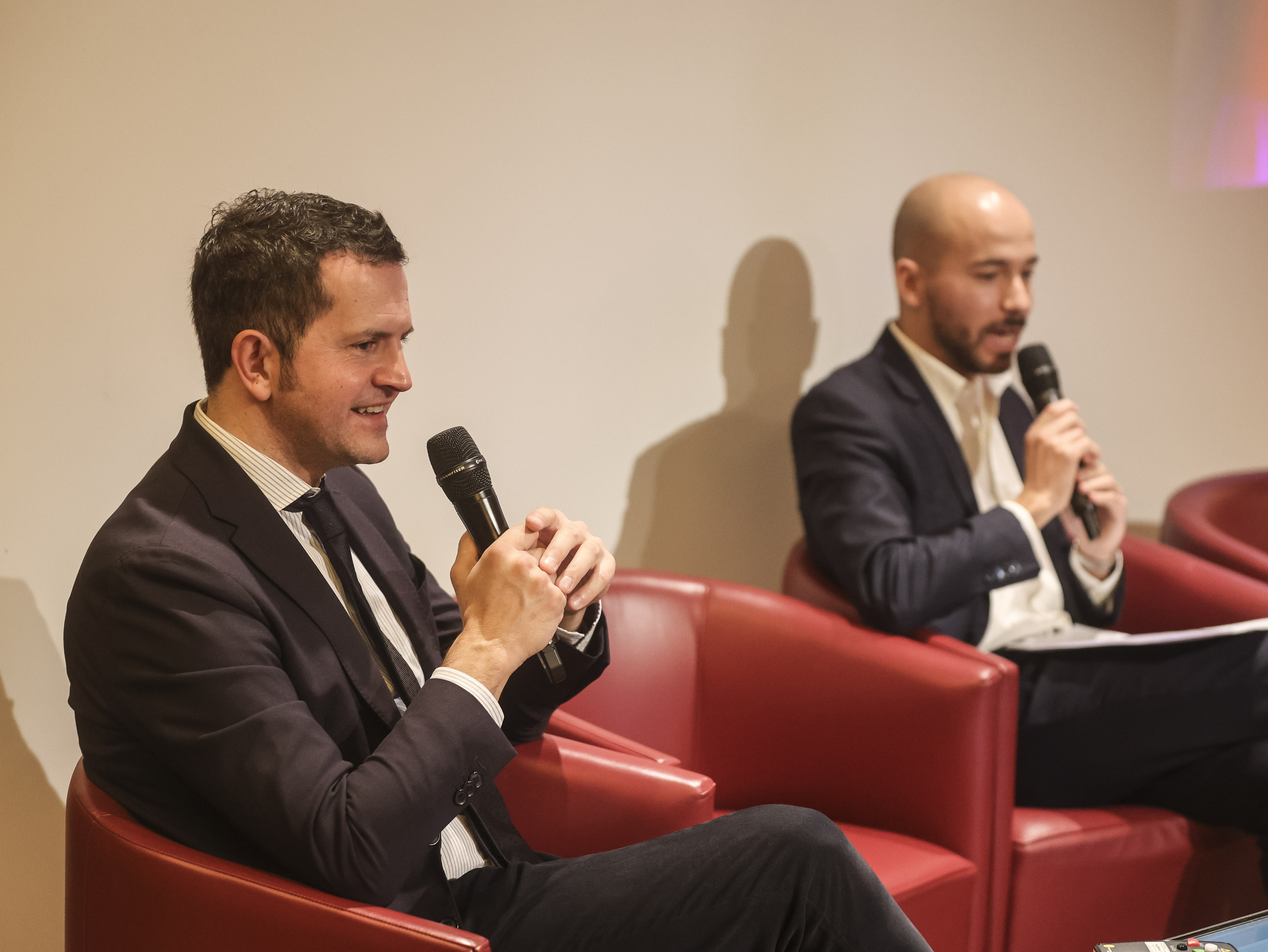
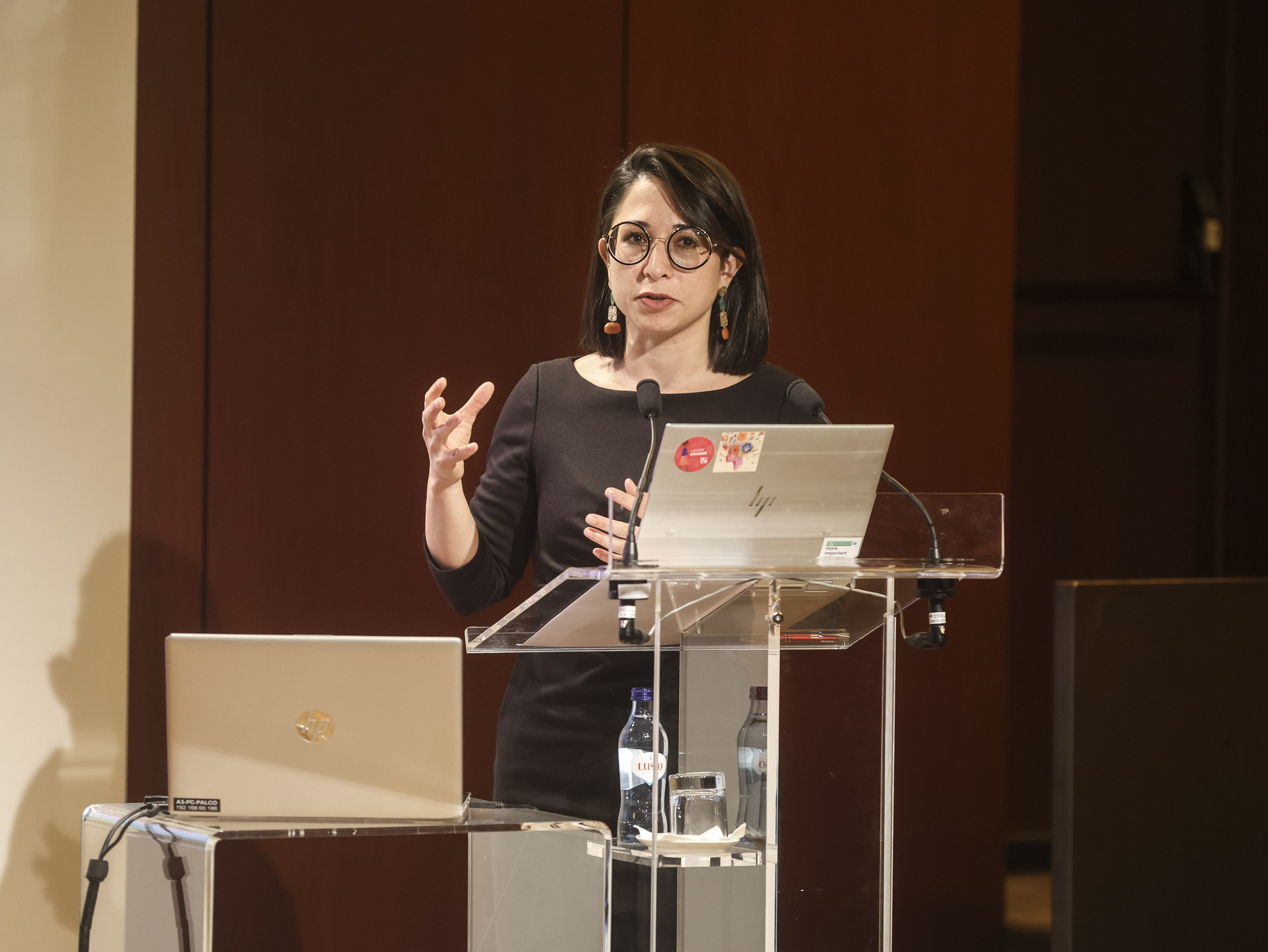
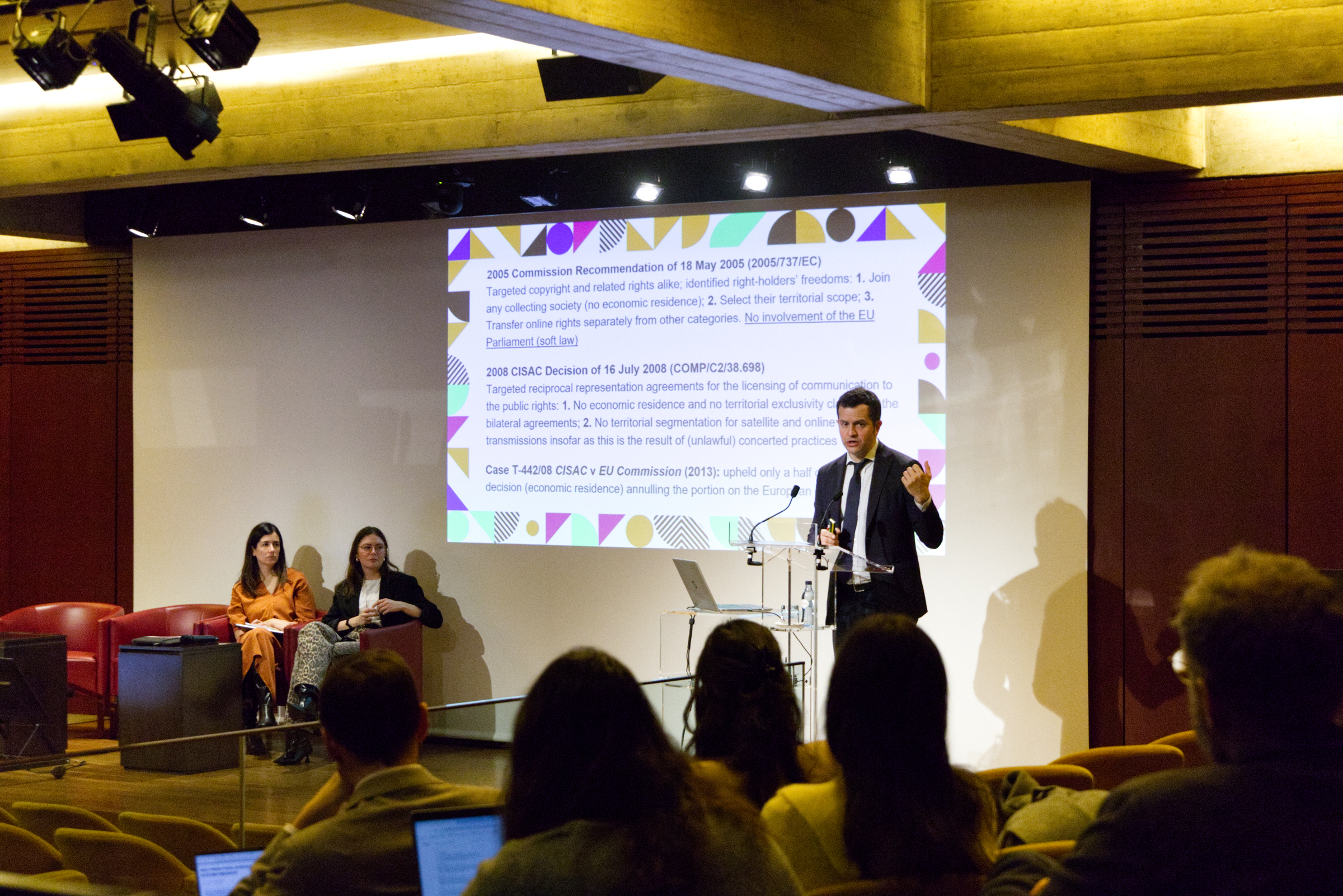
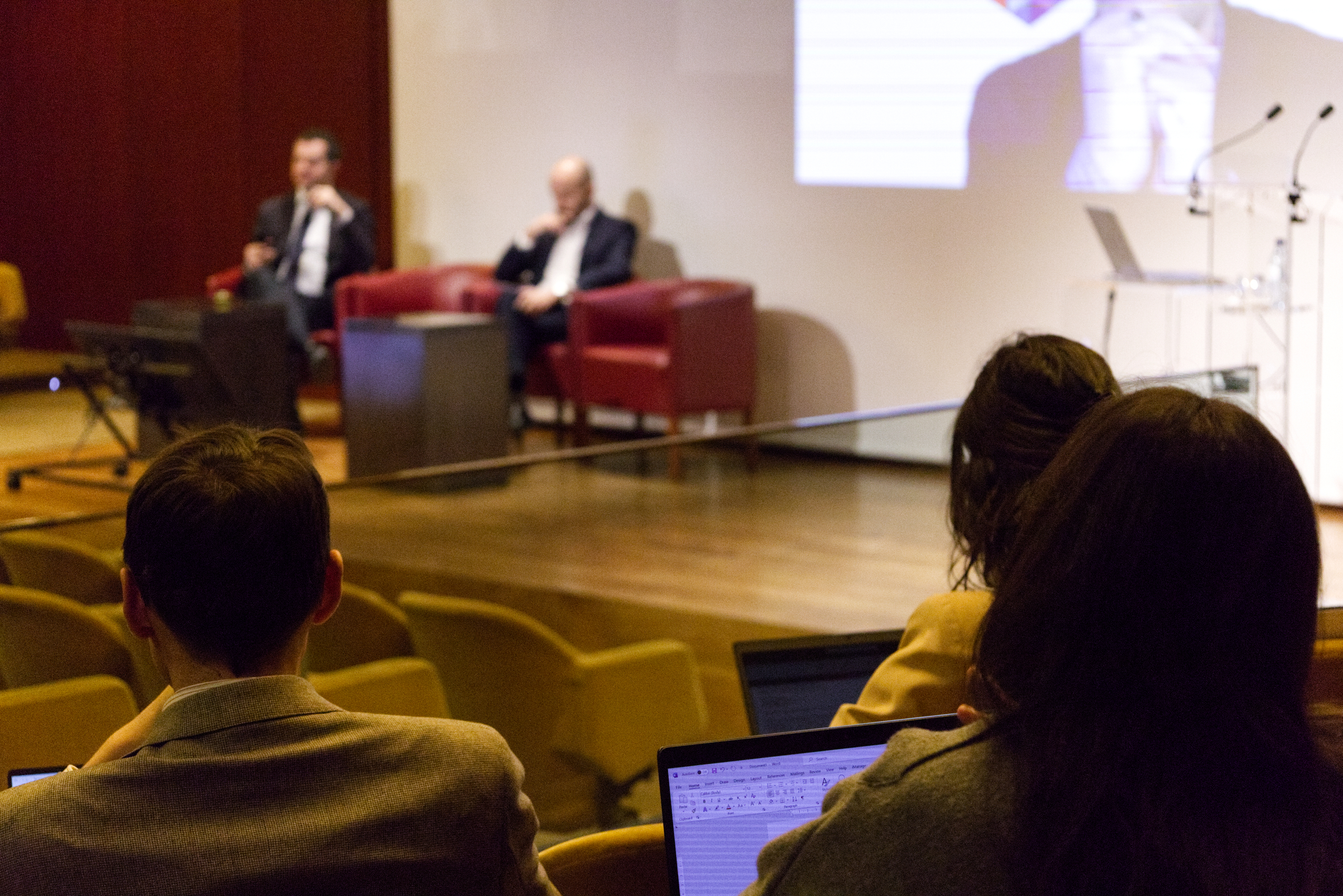
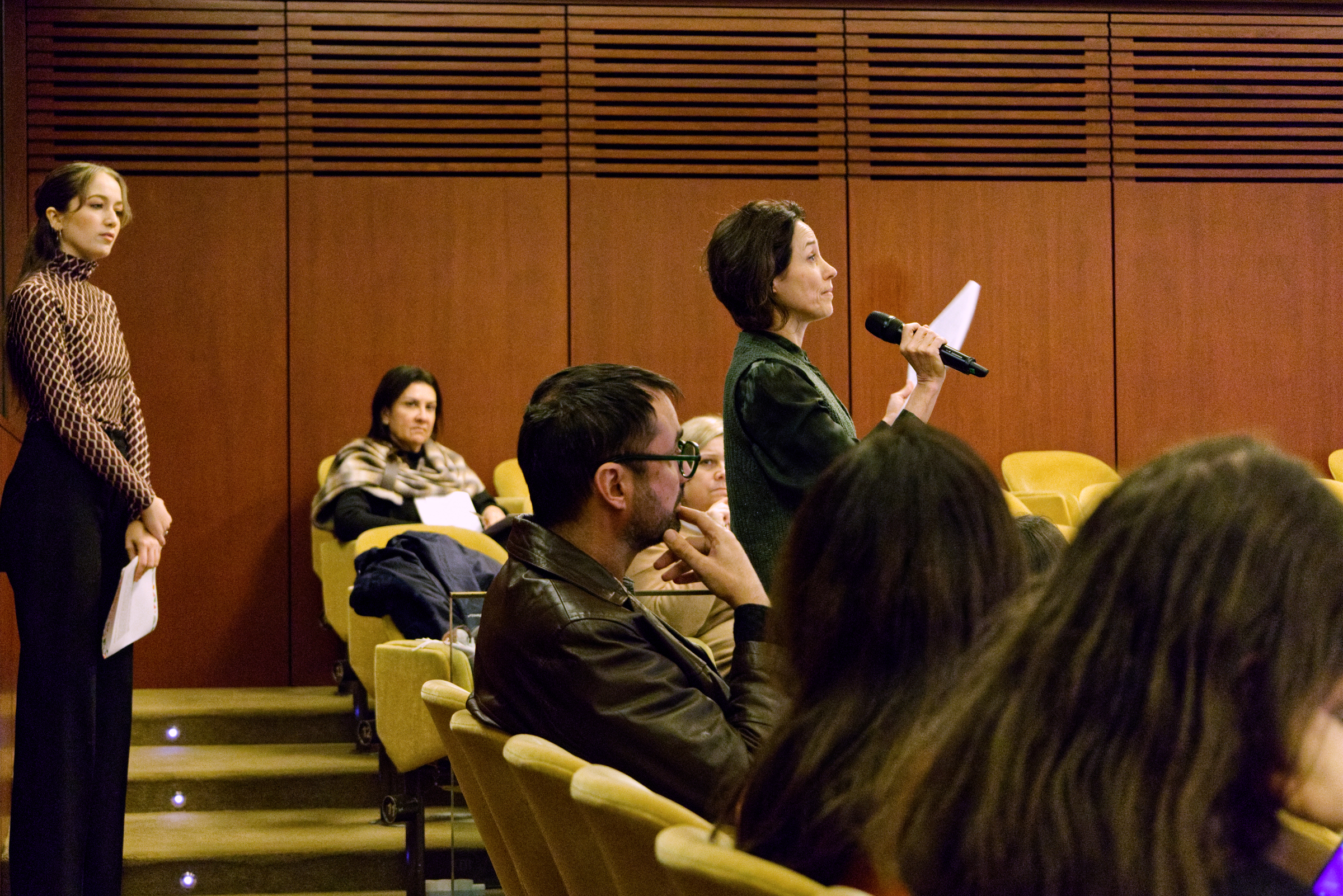
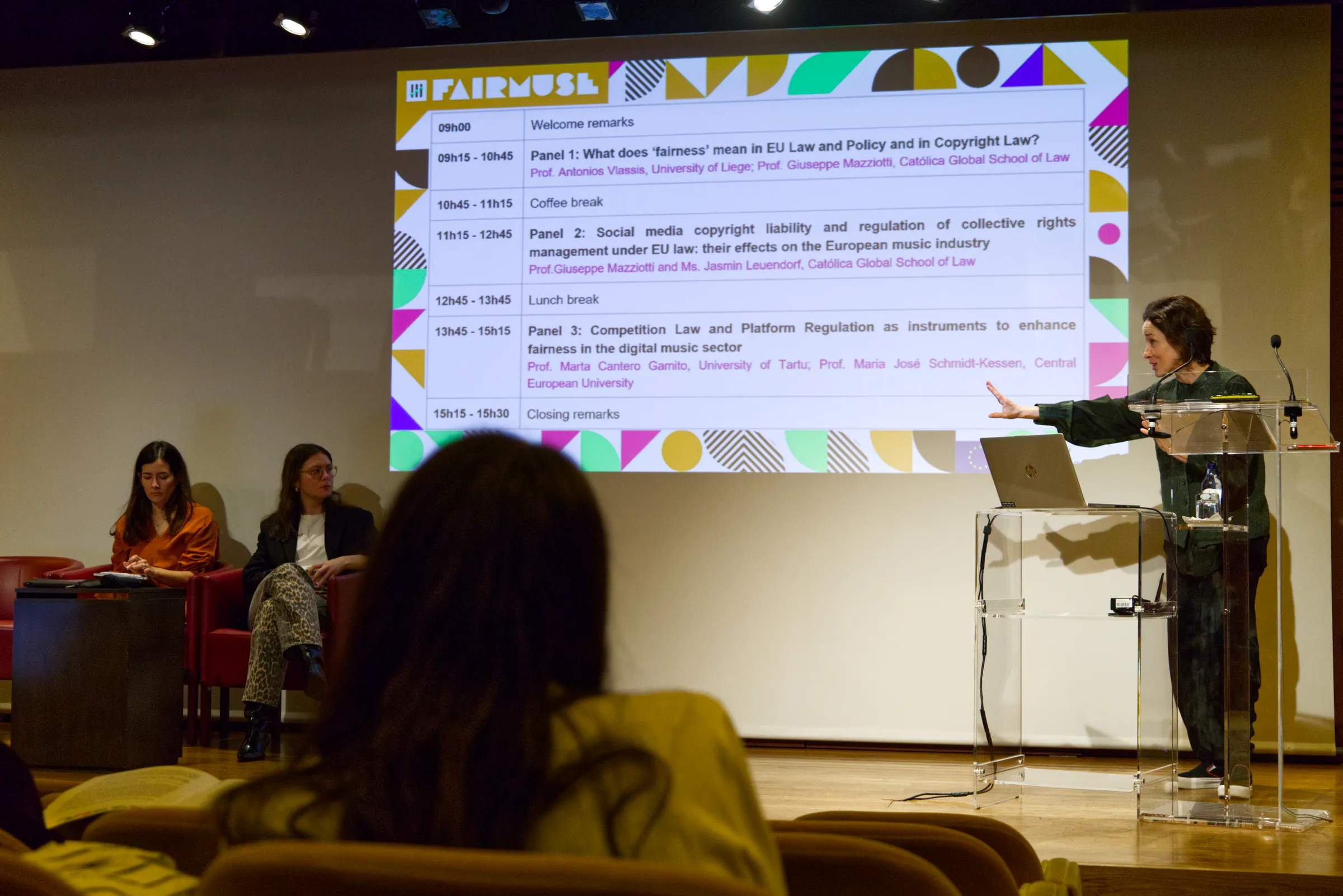
On 11 December, Fair MusE held a landmark policy workshop at Fundação Calouste Gulbenkian in Lisbon. Designed to assess the impact of EU laws and policies on music creators’ rights, the event convened leading researchers, policymakers, and industry experts. After the presentation of preliminary findings by Fair MusE’s researchers, discussants and members of the audience addressed critical issues of fairness within fast-changing digital music landscapes.
Giuseppe Mazziotti, Principal Investigator of Fair MusE and Abreu Professor in Law and Innovation at Catolica Global School of Law (Universidade Católica Portuguesa) set the stage by recalling the project’s commitment to aligning research with real-world challenges. He underscored that the idea of Fair Muse was born out of the EU’s Directive 2019/790 and its aspiration to establish fairer conditions for composers and performers in a rapidly digitising industry. This aspiration became even more concrete at a time the Covid-19 pandemic stopped the performing arts across Europe for nearly two years and forced both musicians and audiences to rely on a few digital platforms to share and access music performances.
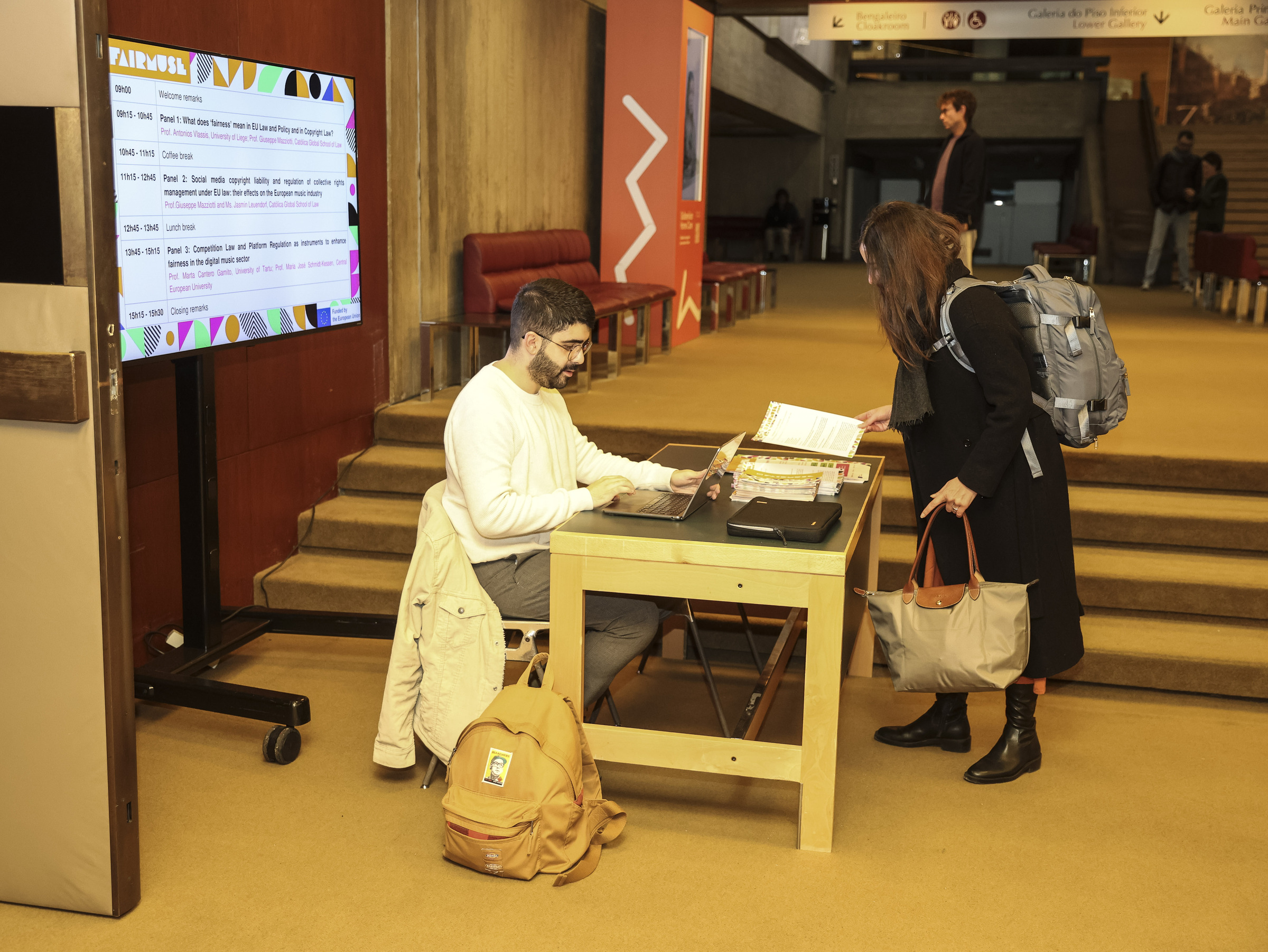
Over the course of the day, participants explored “fairness” in digital music from multiple dimensions. Firstly, discussions traced the evolution of this concept in EU copyright law over the past three decades. Antonios Vlassis (University of Liège) highlighted how the European Parliament has consistently acted as a “political entrepreneur” in embedding fairness into copyright legislation. Key themes emerged from Fair MusE’s policy and language analysis, including the drive for stronger protection for rightsholders, equitable remuneration mechanisms, and the need to balance competing rights and interests.
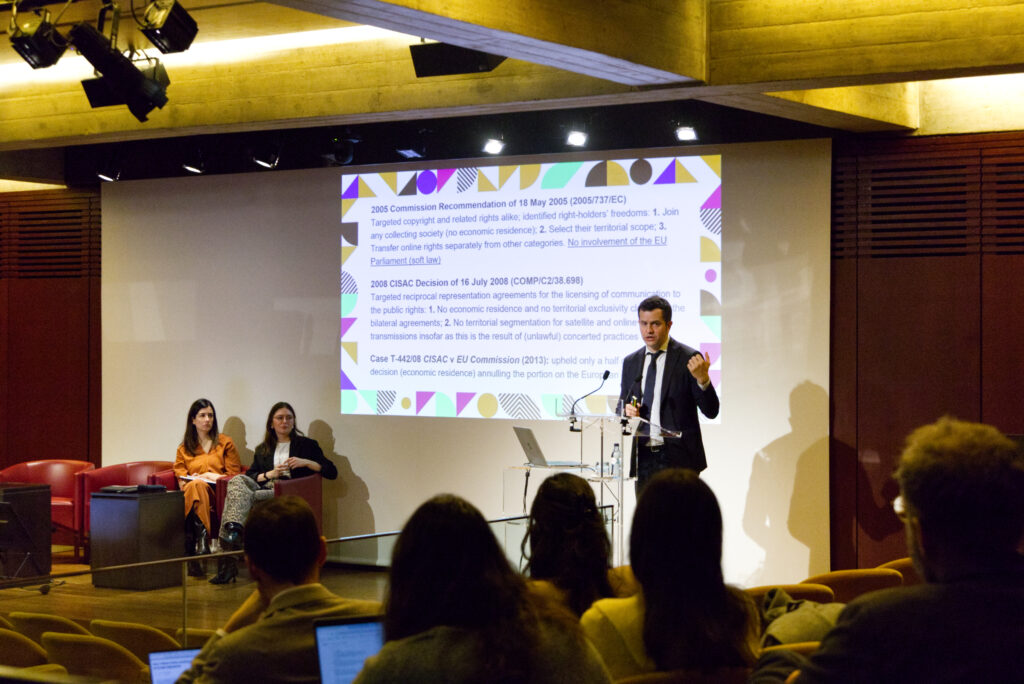
Building on this foundation, Giuseppe Mazziotti and Jasmin Leuendorf (Catolica Global School of Law) offered a critical analysis of the national implementations of Directive 2019/790 (Digital Single Market or ‘DSM’ Directive). While the Directive aimed to enhance fairness through provisions like Articles 17, 18, and 19, significant inconsistencies have arisen across Member States in the past three years. Article 18, for instance, seeks to guarantee fair remuneration for creators but has been applied unevenly, reflecting national disparities and a different level of engagement by regulators in a domain where copyright contract laws struggle to keep the pace of fast-changing music production models. Mazziotti singled out Article 19 as a potential game-changer, highlighting its transparency obligations as pivotal for ensuring that creators understand the economic value of their work across streaming services and, even more so, social media platforms. He argued that to fully unlock the benefits of transparency, standardised approaches to data and metadata sharing must become an industry priority.
As the dialogue unfolded, participants examined broader systemic challenges. Social media platforms, which play an increasingly dominant role in content dissemination, were identified as problematic settings for achieving fairness. Mazziotti and Leuendorf addressed the persistent “value gap” between platforms and creators, noting the variable application of Article 17 across Member States. These disparities often leave creators vulnerable to unfair remuneration practices.
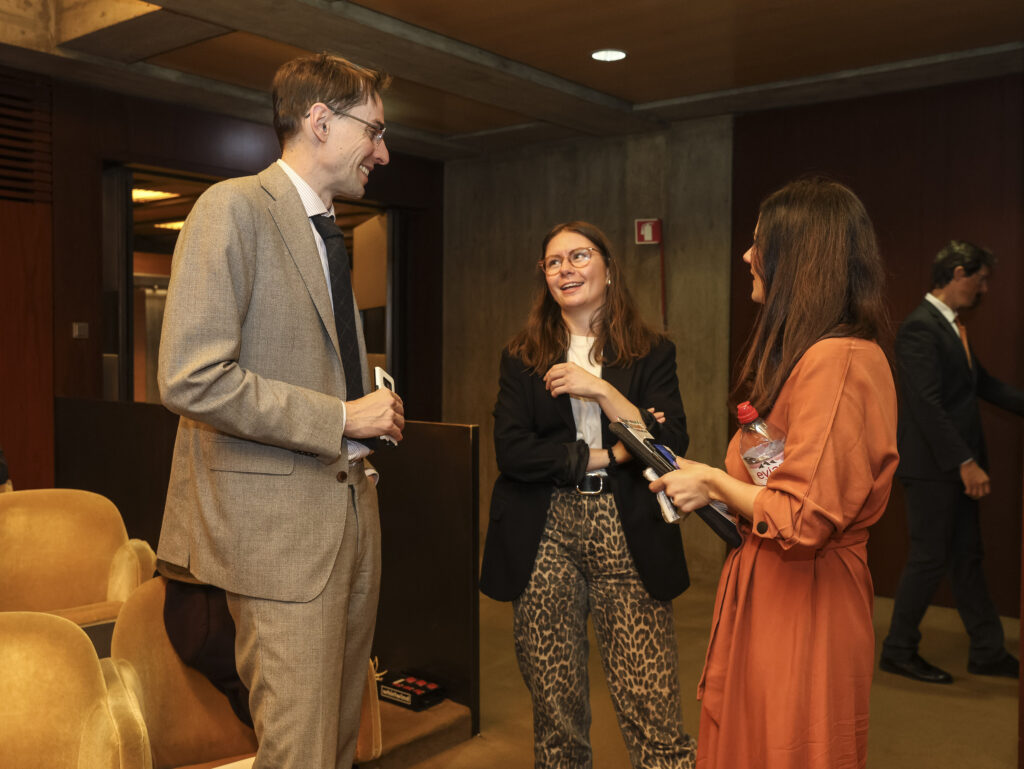
The workshop also delved into the complex dynamics of collective rights management. While Directive 2014/26 (Collective Rights Management) introduced mechanisms like a “Passport” system to improve licensing efficiency and accountability, Mazziotti pointed to ongoing issues such as increasing repertoire fragmentation in the management of rights in musical compositions; the rise, local regulatory struggles and market role of Independent Management Entities (IMEs); and the market leadership of large licensing hubs formed by major music publishers together with a very few European collecting societies. Discussants agreed that these areas require further analysis. Moreover, the debate highlighted that a better alignment of different “layers” of music rights, including the record labels’ share of the overall remuneration “pie”, would require increased data standardisation and enhanced technical solutions to track content usage and enable a more equitable allocation of digital revenues.
Beyond copyright, the workshop explored how other regulatory frameworks, such as competition law, the Digital Services Act (DSA), and the Digital Markets Act (DMA), could help address fairness challenges. Maria José Schmidt-Kessen (Central European University) and Marta Cantero Gamito (University of Tartu) outlined the potential of these instruments to enhance transparency in content monetisation and algorithmic decision-making. However, enforcement remains a key hurdle. National laws, particularly those addressing “abuse of economic dependence”, were highlighted as potentially more effective in addressing the power imbalances within the music ecosystem.
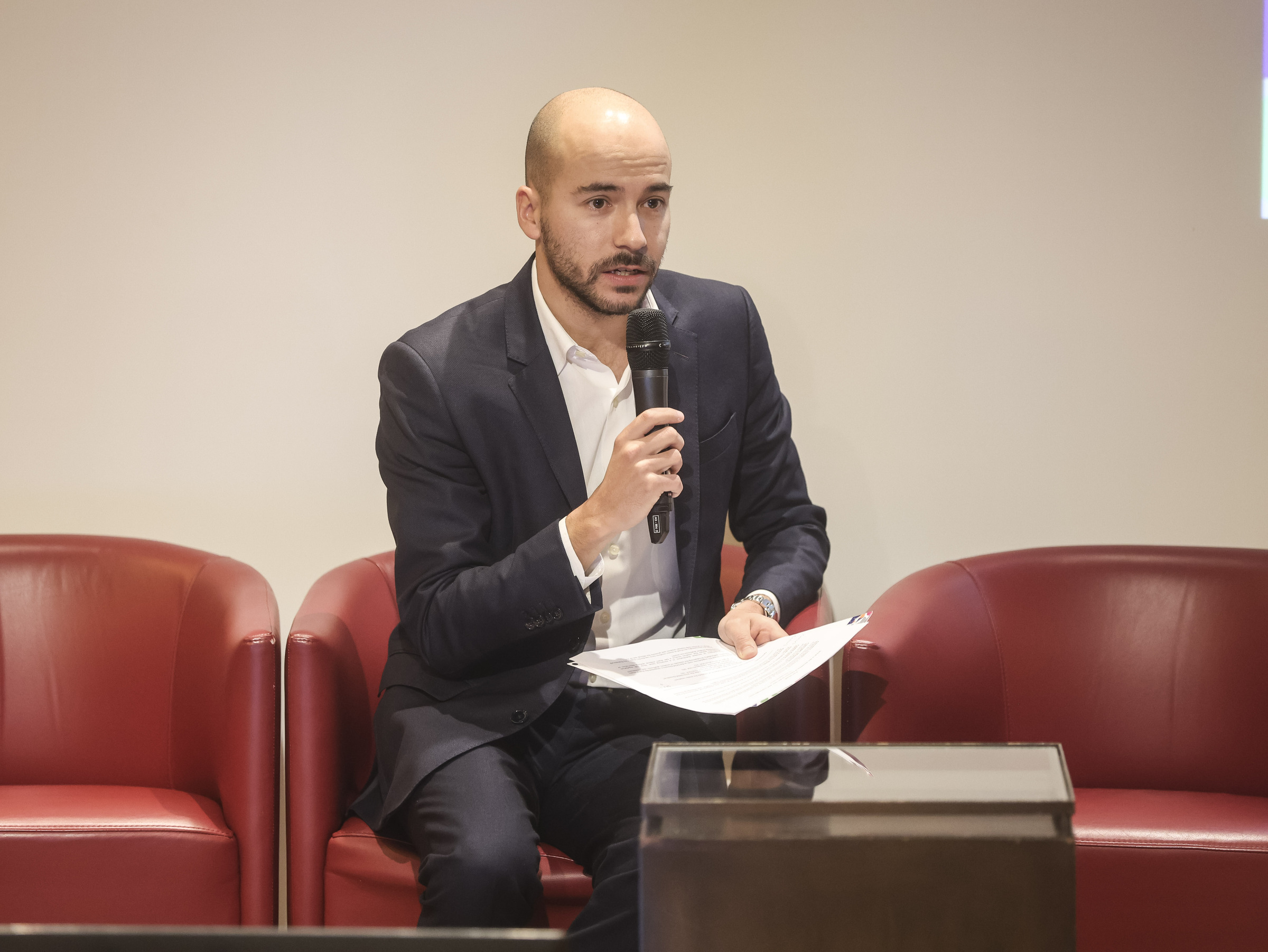
Throughout the day, pressing contemporary issues, such as the impact of artificial intelligence and the manipulation of streaming metrics, added further complexity to the discussions. Participants underscored the importance of economic analysis to better understand revenue flows and proposed solutions like statutory remuneration rights managed by collective management organisations (CMOs). As representatives of performers’ organisations pointed out, these measures could provide a more stable source of remuneration for large communities of session musicians whose proper recognition remains precarious in the current landscape.
In conclusion, Mazziotti thanked attendees for their invaluable contributions and highlighted the importance of collective, interdisciplinary and independently funded research in addressing the multifaceted challenges faced by Europe’s music creators. He invited participants to the project’s upcoming policy workshops in Paris (January 2025) and Brussels (February 2025), which will further advance the dialogue on shaping a fairer, more transparent music ecosystem.